When the grid goes down, most businesses don’t get a polite warning. Power can drop out in a storm, during a heatwave, or from an accident. According to the Australian Energy Regulator (AER), grid reliability is a growing concern as the energy mix shifts, making it vital for businesses to have a contingency plan.
That’s where a properly sized generator can be the difference between a rough day and a complete shutdown.
Summary: A business generator gives you a reliable backup power source during grid failures, keeping critical systems running and reducing downtime. The right setup depends on your site, your essential loads (like refrigeration, IT, pumps, or security), and how quickly you need power restored. With the correct generator size, changeover method, and maintenance plan, you can protect revenue, equipment, and customer trust. Jubilee Energy tailors power generation solutions to suit your operational needs, with leading generators Australia service and products designed for dependable performance when the grid doesn’t cooperate.
Why grid failures hit businesses harder than you think
A blackout isn’t just “lights out.” Even short interruptions can cause a chain reaction. If your business relies on digital payments or refrigeration, backup power isn’t a luxury—it’s a necessity for meeting Australian business energy standards.
- POS and EFTPOS go down, so you can’t take payments
- Internet and phones drop, so customers can’t reach you
- Cold rooms and fridges warm up, risking stock loss
- Servers and computers shut off, risking data corruption
- Security systems fail, increasing risk after-hours
- Production stops, and restarting can take longer than the outage itself
If your business relies on any of the above, backup power isn’t a luxury. It’s part of staying operational.
How a generator keeps your business running during outages
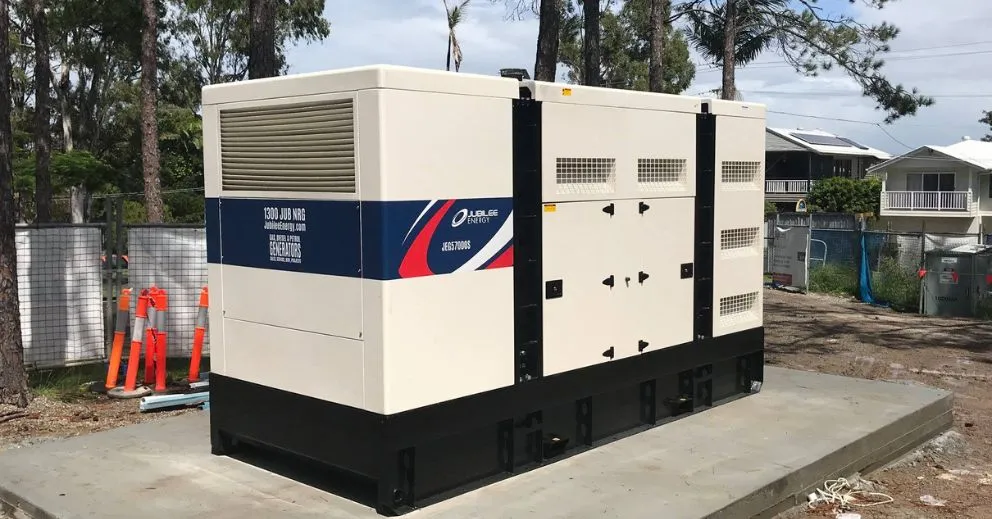
A generator creates electricity on-site, independent of the grid. In simple terms, it converts fuel (commonly diesel or gas) into electrical power, which your business can use to keep essential equipment running.
Depending on your setup, it can power:
- Refrigeration and freezers
- Computers, servers, and networking equipment
- Lighting in key areas
- Pumps, motors, and compressors
- Roller doors and access systems
- Alarms, CCTV, and monitoring systems
- Medical or safety-critical equipment
The goal isn’t always to run everything exactly as normal. For many businesses, the smart approach is to power critical loads first, so you can keep trading, keep people safe, and avoid damage.
Portable vs standby generators: what suits a business?
Most businesses consider one of these options:
Portable generators
Portable units can work for smaller sites or short-term needs, especially if you can safely connect specific equipment directly. They’re often used for:
- Temporary operations
- Small workshops
- Remote jobsites
- Emergency stopgaps
The trade-off is they usually require manual setup and careful load management.
Standby generators
Standby generators are installed as part of your site’s electrical setup. They’re designed for businesses that need dependable backup power with minimal fuss.
A standby system can be paired with an automatic transfer switch (ATS), which detects a grid failure and switches power over to the generator quickly, often within seconds. That’s ideal for sites where even a short outage causes big disruptions.
The biggest mistake: buying a generator that’s the wrong size
Generator sizing is where many businesses get caught out. Too small, and it won’t handle your essential load. Too large, and you can waste money and run the unit inefficiently.
A good sizing process looks at:
- Your critical equipment list (what must stay on)
- Starting loads (some motors need extra power to start)
- Single-phase vs three-phase requirements
- Fuel type and runtime needs
- Noise and site constraints
- Future growth (adding a cold room later, expanding production, new equipment)
It’s not guesswork. It’s a proper assessment that makes sure the generator performs when it matters.
Changeover matters as much as the generator
A generator is only useful if power can be supplied safely and reliably to the right circuits. That’s where your changeover method comes in.
Common approaches include:
- Manual changeover: someone switches over during an outage (lower cost, slower response)
- Automatic changeover (ATS): switches automatically (fastest response, best for critical operations)
- Essential circuits board: only powers chosen circuits, keeping the system efficient and manageable
This is also where generator maintenance and compliance are critical. A correctly installed setup protects your team, your equipment, and the wider network.
Keep your doors open when the grid lets you down
If you want backup power that actually matches how your business operates, Jubilee Energy can help. We tailor solutions to your unique power generation requirements, backed by leading generators Australia service and products, so you’ve got reliable power when you need it most.
Visit Jubilee Energy to talk through your site, your critical loads, and the right generator setup for your business.
Key Takeaways
- Grid failures can shut down payments, refrigeration, security, IT, and production, even if the outage is short.
- A generator keeps essential systems running so you can stay operational and reduce downtime costs.
- The right result depends on correct sizing, suitable changeover (manual or automatic), and safe installation.
- Ongoing maintenance and testing are what make backup power dependable, not just “installed”.
- A tailored solution is usually the best path, especially for three-phase sites or mixed equipment loads.
FAQ
What size generator does my business need?
It depends on your essential loads and how those loads behave at startup (especially motors and compressors). The safest approach is a site and load assessment so the generator can handle your real-world demand.
Can a generator run my whole business?
Sometimes, yes, but many businesses choose to power only critical circuits to keep costs sensible and runtime efficient. You can still operate, trade, and protect key systems without powering every non-essential load.
What’s the benefit of an automatic transfer switch (ATS)?
An ATS switches to generator power automatically when the grid fails, usually within seconds. It’s ideal if downtime is costly or if you can’t rely on someone being on-site to switch power manually.
Is diesel or gas better for a commercial generator?
Diesel is common for reliability and availability, while gas can suit certain sites with consistent supply and longer runtime needs. The best choice depends on your location, usage, and operating priorities.
How often should a business generator be serviced?It varies by model and usage, but regular testing and scheduled servicing are essential. A generator that isn’t maintained can fail right when you need it most.
More insights from us
Discover the latest in power generation technology.
.jpg)