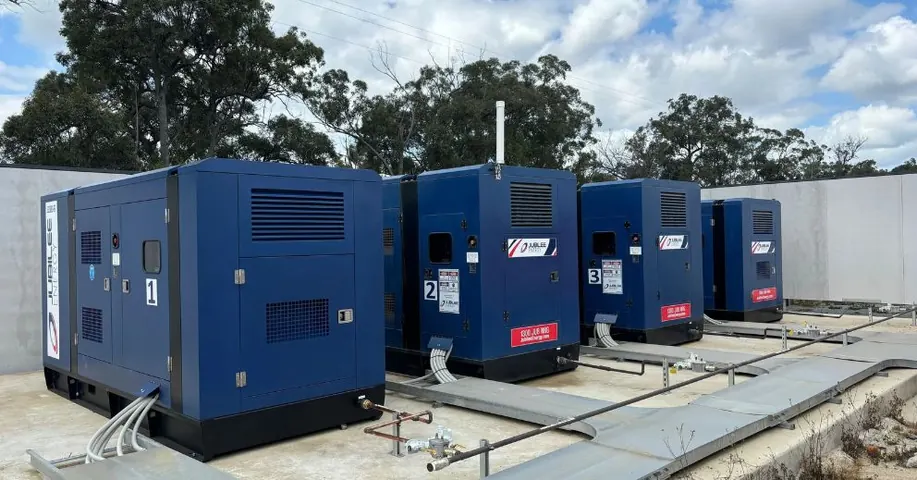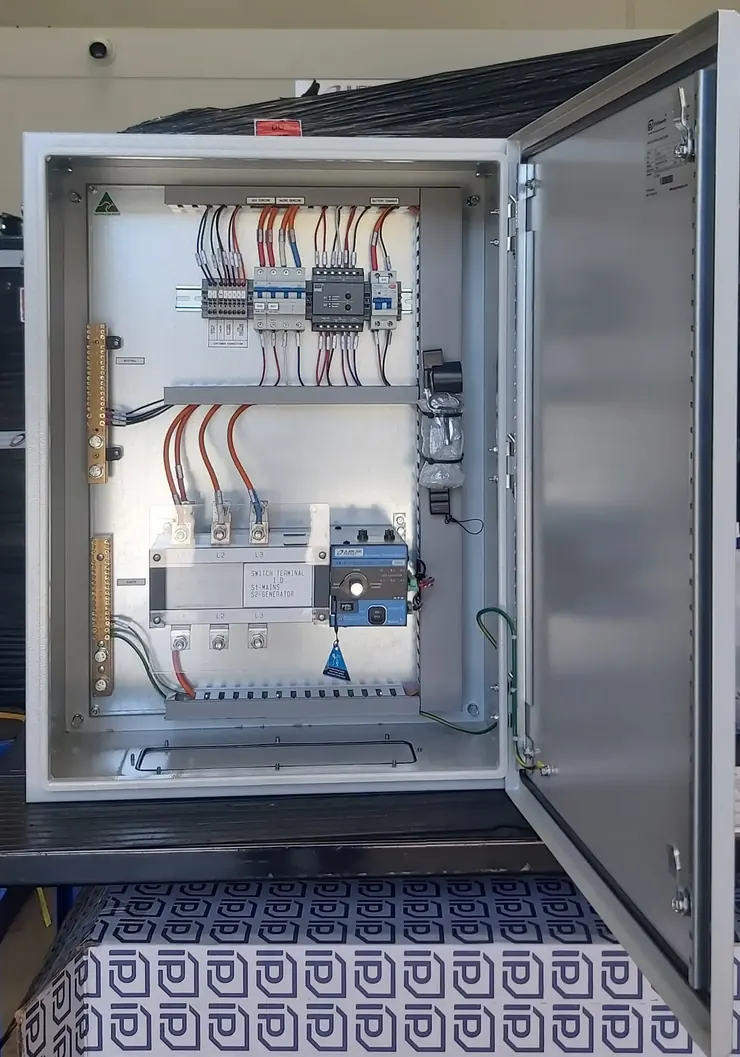
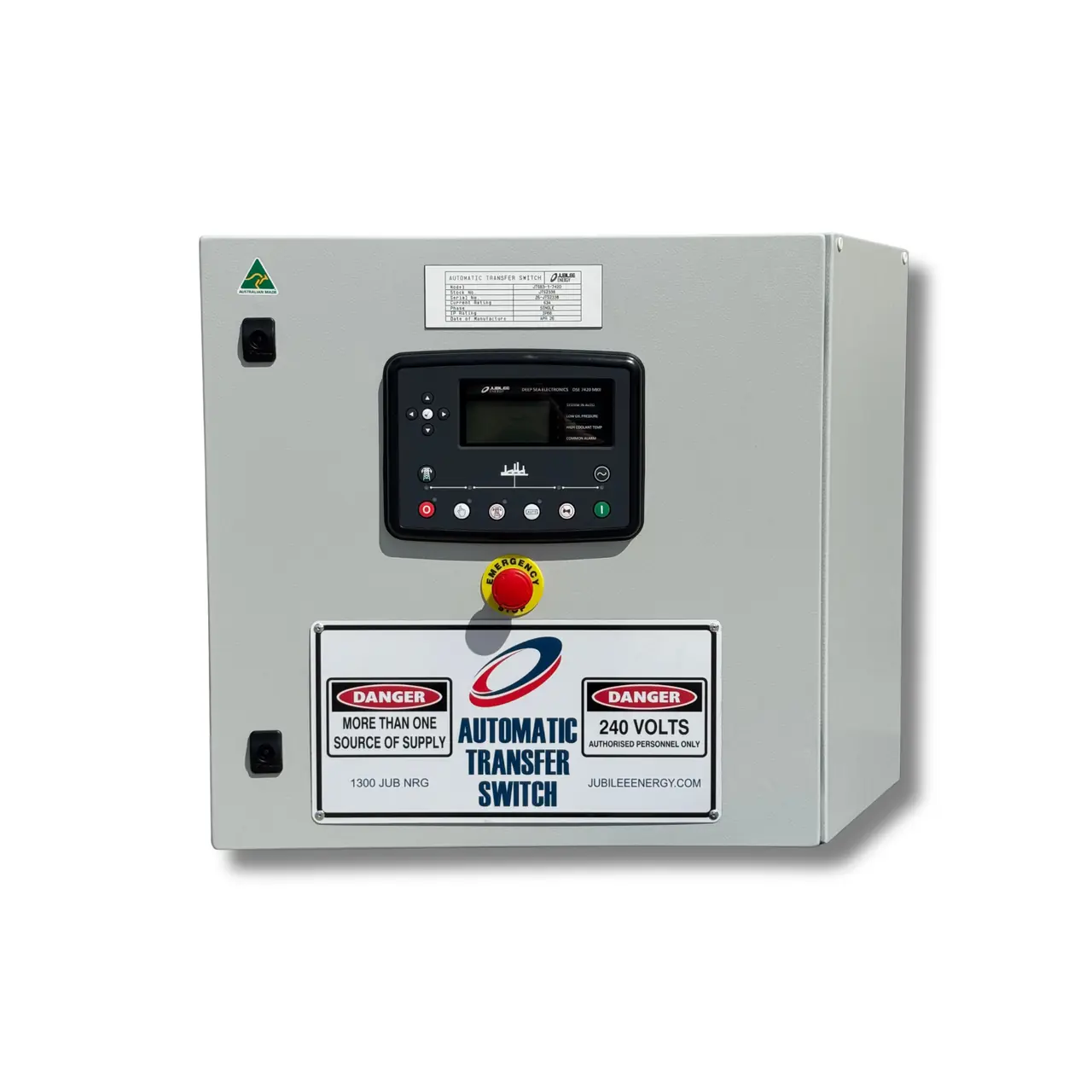
When it comes to reliable backup power systems, it’s not just about having a good standby generator; it’s also about ensuring that electrical power kicks in quickly and safely when you need it most. That’s where an automatic transfer switch (ATS) comes in.
This essential component ensures a smooth transition between your utility power and backup power source without you having to lift a finger.
In this guide, we’ll explain exactly what it is, how it works in connection with different power sources, and why it’s a smart investment for homes and businesses alike.
What Is an Automatic Transfer Switch?
An auto transfer switch is a device that automatically transfers the electrical load from your normal utility power source (like the electricity grid) to your backup power source or standby generator when it detects a power outage. Once the mains power is restored, it automatically switches the load back to the grid, ensuring stable power distribution across your system.
In short, an ATS acts like a referee, directing where your electrical power should come from without requiring any manual intervention. It works seamlessly with both manual transfer switch setups and advanced systems that rely on different power sources for reliable operation.
Why You Need an ATS
An ATS isn’t just about convenience; it’s also about safety and efficiency within your overall backup power system. Here's why it’s important:
- Uninterrupted Power Supply: Keeps essential appliances and systems running with minimal downtime, ensuring smooth power distribution during outages.
- Safety: Prevents dangerous backfeeding, which could harm utility workers or damage your property’s electrical power network.
- Automatic Operation: You don’t have to be on-site to manually start your generator or changeover switch when the power goes out.
- Peace of Mind: Especially valuable for businesses, medical facilities, or homes that can’t afford to lose power, particularly those depending on different power sources or hybrid lighting towers for continuous operation.
How Does It Work
The operation of an ATS can be broken down into a few simple steps that show how the system works within a backup power system:
- Monitoring the Power Supply
The ATS constantly monitors the voltage from the utility power supply. It looks for signs of failure such as a total blackout, low voltage, or unstable electricity. - Detecting a Power Outage
If the ATS detects a problem with the mains power (such as a complete outage or unacceptable voltage fluctuations), it signals the standby generator to start up, ensuring uninterrupted power distribution. - Switching to Generator Power
Once the generator reaches the correct operating speed and produces stable power, the ATS automatically switches the load from the mains to the generator. This ensures there’s as little disruption as possible while safely managing different power sources. - Monitoring for Power Restoration
While the generator powers your property, the ATS continues to monitor the mains supply with the help of load banks to test and balance performance. - Returning to Mains Power
When it detects that the grid power has been fully restored and is stable, the ATS switches the load back to the mains supply and safely shuts down the generator through an integrated changeover switch.
All of this happens automatically, usually within seconds of a power failure, no manual effort required, ensuring seamless operation between your auto transfer switch and backup power source.
ATS Options for Different Power Needs
Not all ATS setups are the same. Here are a few common types:
Open Transition (Break-Before-Make)
- Disconnects from the mains before connecting to the generator.
- There’s a slight delay, but it prevents any overlap between power sources.
- Commonly used in homes and light commercial settings.
Closed Transition (Make-Before-Break)
- Briefly connects both the mains and the generator before switching fully.
- No loss of power, making it ideal for hospitals or critical facilities.
Service Entrance Rated
- Combines the ATS and the main circuit breaker in one device.
- Great for saving space and simplifying installation.
Choosing the right type depends on how critical uninterrupted power is to you.
Uses of an ATS
They are used in a wide variety of settings, including:
- Residential Homes: To keep essentials like fridges, lighting, and heating/cooling systems running.
- Businesses and Offices: To maintain operations and protect sensitive equipment.
- Hospitals and Aged Care Facilities: Where continuous power is critical for life-saving equipment.
- Industrial Sites: To ensure operations don’t come to a halt during power failures.
What Size ATS Do You Need?
The size of the ATS must match your generator’s output and your property’s electrical load.
- Small Homes: Often use a 100–200 amp ATS, depending on the number of circuits covered.
- Large Homes or Small Businesses: May require a 200–400 amp ATS.
- Industrial or Commercial Facilities: May need transfer switches rated at 600 amps or more.
If you’re unsure what size you need, it’s best to speak to an expert; choosing the wrong size could affect your generator’s performance or safety.
How an ATS Improves Power Safety and Efficiency
Installing an ATS offers several practical and safety advantages that enhance your overall backup power system and power distribution reliability:
- Faster Power Restoration: No fumbling with a manual transfer switch or controls in the dark during an outage. The auto transfer switch handles everything seamlessly.
- Improved Safety: Reduces the risk of accidents and damage to electrical power systems while maintaining a stable flow between different power sources.
- Convenience: Works automatically without any manual effort, even if you’re not at home or on-site, a key advantage for facilities that depend on a backup power source.
- Increased Property Value: Homes and businesses with reliable utility power and standby generator connections are often seen as more valuable and better equipped for emergencies.
Common Mistakes to Avoid When Choosing an ATS
Avoiding these common mistakes will help ensure your backup power system and power distribution remain safe and efficient:
- Undersizing the ATS: Always choose a switch that matches or exceeds your standby generator’s rated capacity to handle different power sources effectively.
- DIY Installation: Transfer switches, whether an auto transfer switch or a manual transfer switch, must be installed by a licensed electrician to comply with safety regulations.
- Ignoring Local Codes: Installation must meet Australian standards to ensure safe operation of your electrical power setup and maintain a reliable connection to your utility power network.
Related reading
Choose the Right Switch with Jubilee Energy
An ATS is a smart investment for anyone relying on backup power, whether at home or in business. It ensures that when the lights go out, your power keeps flowing safely and seamlessly.
Not sure which ATS is right for you? Jubilee Energy is here to help. Our team offers expert advice, high-quality products, and professional installation services tailored to your unique energy needs so get in touch today.
More insights from us
Discover the latest in power generation technology.