Generators are designed to operate in a wide range of environments, but weather conditions can still have a significant impact on how efficiently and reliably they perform. In commercial and industrial settings where power continuity is critical, factors such as heat, humidity, rain, and airborne dust can influence everything from engine performance to maintenance requirements.
Understanding how different weather conditions affect generator systems helps businesses plan installations properly, reduce operational risks, and ensure consistent performance throughout the year. When generator systems are designed with environmental conditions in mind, they are far more likely to deliver reliable power when it matters most.
Summary: Weather conditions can directly affect generator performance, efficiency, and lifespan. High temperatures can lead to overheating and reduced power output, while humidity may increase the risk of corrosion and electrical issues. Rain can affect installation safety and equipment protection, and dust or airborne debris can clog filters and damage internal components. Proper generator design, enclosure selection, ventilation, and maintenance planning are essential to ensure reliable operation in challenging environmental conditions. Working with an experienced power generation provider helps ensure the generator system is built to perform safely and efficiently in real-world operating environments.
Why environmental conditions matter for generators
Generators rely on a combination of fuel, air intake, cooling systems, and electrical components to produce power. Weather conditions can influence each of these elements. When temperatures rise, moisture levels increase, or airborne particles enter the system, the generator may need to work harder to maintain performance.
For businesses that depend on generators for backup or continuous power, environmental conditions must be considered during system design, installation, and maintenance planning.
How heat affects generator performance
High temperatures are one of the most common environmental challenges for generators. Heat affects both the engine and the alternator, and excessive temperatures can reduce efficiency and reliability.
Hot weather can lead to:
- reduced engine efficiency
- increased cooling system strain
- overheating risks
- reduced power output
- faster wear on internal components
Engines rely on cool, dense air for efficient combustion. When air temperature rises, the air becomes less dense, which means less oxygen is available for combustion. This can reduce engine performance and overall generator output.
Proper ventilation, cooling systems, and site placement are essential in warmer climates to maintain stable operating temperatures.
The impact of humidity on generator systems
Humidity introduces moisture into the air, which can affect both mechanical and electrical components within a generator system.
High humidity environments can lead to:
- condensation inside electrical components
- corrosion of metal parts
- reduced insulation performance
- potential short circuits in extreme cases
Moisture exposure over time can also contribute to rust in structural components and damage sensitive electrical connections.
To manage these risks, generator installations often require weather-resistant enclosures, proper airflow management, and regular inspections to ensure internal components remain dry and protected.
How rain can affect generator operation
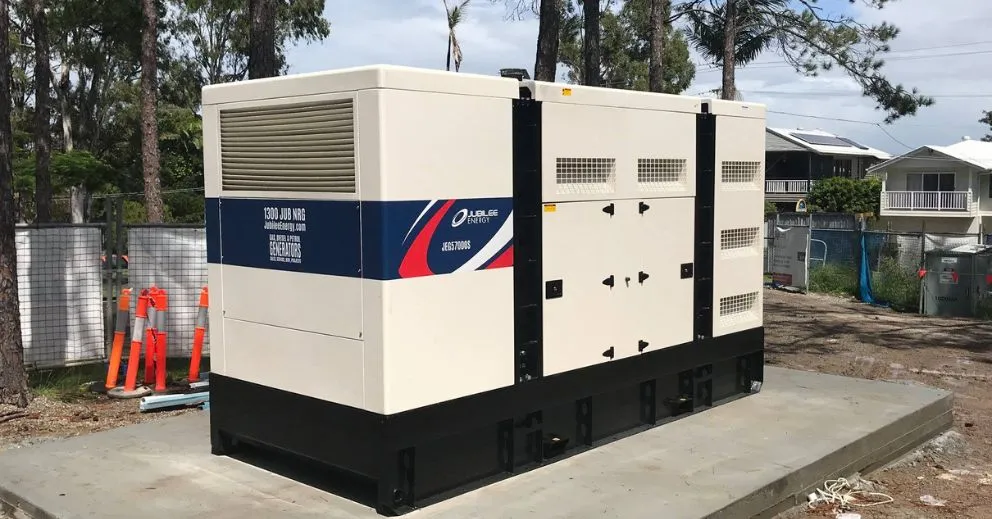
Generators used outdoors are typically designed with protective enclosures, but rain can still affect installation safety and surrounding infrastructure.
Heavy rainfall may contribute to:
- water entering poorly sealed enclosures
- flooding risks in low-lying installation areas
- moisture exposure to electrical systems
- reduced accessibility for maintenance
This is why generator systems should always be installed on properly designed platforms or foundations with adequate drainage. Enclosures should also be designed to prevent water intrusion while still allowing proper airflow.
In regions where storms or heavy rainfall are common, weather protection becomes a critical part of generator planning.
Dust and airborne particles
Dust may seem like a minor concern, but in many industrial environments it can become a serious issue for generator reliability.
Airborne particles can enter the generator through air intake systems and accumulate in internal components. Over time, this can cause several problems.
Dust exposure may lead to:
- clogged air filters
- reduced airflow to the engine
- overheating due to restricted cooling
- contamination of mechanical parts
- increased maintenance requirements
In environments such as mining sites, construction zones, or agricultural areas, dust management becomes especially important.
High-quality filtration systems and regular maintenance help prevent these issues and protect the generator over the long term.
Combined environmental effects
Weather conditions rarely occur in isolation. In many parts of Australia and the Asia-Pacific region, generators may face multiple environmental challenges at the same time.
For example:
- hot and humid coastal climates
- dusty and high-temperature inland regions
- heavy rainfall during seasonal storms
- fluctuating temperatures between seasons
Each of these combinations can place unique demands on generator equipment. That’s why commercial generator systems often need to be tailored to their operating environment rather than relying on generic configurations.
Designing generator systems for real-world conditions
A well-designed generator system takes environmental conditions into account from the beginning. Factors such as site layout, airflow, enclosure type, and filtration all play a role in maintaining reliable performance.
Important design considerations include:
- ventilation and airflow management
- weatherproof enclosures
- cooling system capacity
- air filtration for dusty environments
- elevated installation platforms for drainage
- corrosion-resistant materials where needed
These design choices help ensure the generator continues to operate effectively regardless of changing weather conditions.
The role of preventative maintenance
Environmental exposure can increase the need for regular inspection and maintenance. Even well-designed generator systems benefit from ongoing servicing to keep them operating efficiently.
Maintenance may include:
- checking and replacing air filters
- inspecting cooling systems
- monitoring electrical connections
- checking seals and enclosures
- cleaning dust accumulation
- inspecting corrosion-prone components
Regular maintenance helps identify weather-related wear early before it leads to equipment failure.
Reliable power starts with the right design
For commercial and industrial operations, generator performance cannot be left to chance. Environmental factors such as heat, humidity, rain, and dust can all affect how well a system performs over time.
At Jubilee Energy, we design bespoke power generation solutions tailored to the operating conditions of each site. Serving businesses across Australia and the Asia-Pacific region, our focus on quality, innovation, and customised engineering ensures generator systems are built to perform reliably in demanding environments.
Whether you need standby power, prime power, or a fully customised generator solution, Jubilee Energy can help deliver a system designed for your operational needs and environmental conditions. Get in touch today.
Key takeaways
- Weather conditions can significantly affect generator performance and reliability.
- High temperatures can reduce engine efficiency and increase overheating risks.
- Humidity can introduce moisture that affects electrical and metal components.
- Rain requires proper enclosure design and drainage to protect equipment.
- Dust can clog filters, restrict airflow, and increase maintenance needs.
- Generator systems designed for local environmental conditions perform more reliably over time.
- Preventative maintenance helps manage the effects of weather exposure and extends equipment life.
FAQ
Does hot weather reduce generator performance?
Yes. High temperatures can reduce engine efficiency because warmer air contains less oxygen for combustion. This can slightly reduce power output and increase the risk of overheating if cooling systems are not designed properly.
Can humidity damage a generator?
High humidity can lead to condensation and moisture build-up inside electrical components. Over time this can cause corrosion, insulation issues, or electrical faults if not managed properly.
Are generators safe to operate in the rain?
Generators designed for outdoor use typically have weather-resistant enclosures that protect them from rain. However, installation location, drainage, and enclosure quality are important to prevent water intrusion.
Why is dust a concern for generator systems?
Dust can clog air filters and restrict airflow to the engine, which may cause overheating and reduced efficiency. In dusty environments, filtration and regular maintenance are especially important.
How can generators be protected from harsh weather conditions?
Proper enclosure design, effective ventilation, high-quality filtration systems, and appropriate site placement all help protect generators from environmental exposure.
Why should generator systems be customised for the operating environment?
Every location has different environmental conditions. Customising the system ensures the generator can handle local heat, humidity, rainfall, and dust levels while maintaining reliable performance.
More insights from us
Discover the latest in power generation technology.