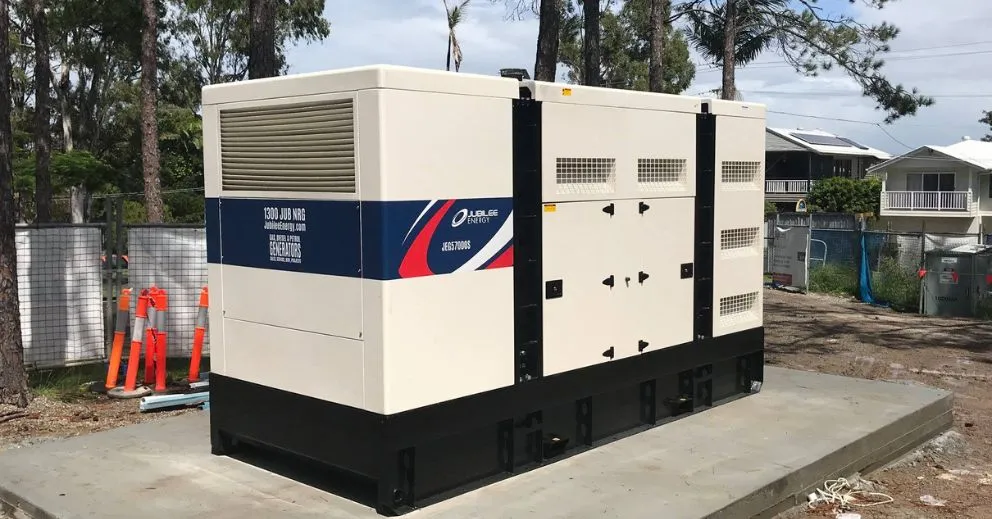
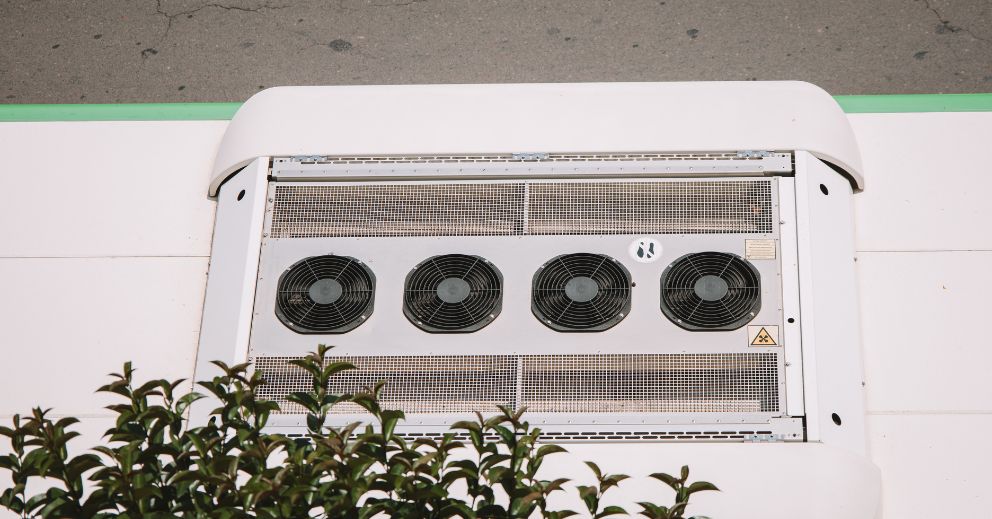
Generators are essential for keeping businesses operating when mains power isn’t available or can’t be relied on. In commercial and industrial settings, they can support critical equipment, protect productivity, and reduce costly downtime. But while output, fuel type, and capacity often get most of the attention, ventilation is just as important.
Running a generator without proper ventilation can create serious safety risks, reduce performance, and shorten the life of the equipment. Heat build-up, poor air circulation, and exhaust gases all need to be managed properly for a generator system to run safely and efficiently. Whether you’re using a standby unit, a prime power generator, or a custom power solution, ventilation isn’t something to treat as an afterthought.
Summary: Proper ventilation is critical when running a generator because it helps manage heat, supports combustion, and safely removes exhaust gases. Without enough airflow, generators can overheat, perform poorly, and create dangerous conditions for people and nearby equipment. In commercial and industrial environments, ventilation needs to be considered as part of the overall generator design, installation, and site layout. A well-planned setup helps improve safety, efficiency, and long-term reliability. For businesses relying on dependable power, working with an experienced provider can make sure the system is designed to perform properly from day one.
Why ventilation matters for generator operation
A generator produces more than electricity. It also produces heat and exhaust. If those by-products aren’t managed properly, they can quickly become a problem.
Ventilation does three main things:
- supplies fresh air for combustion
- helps cool the generator and surrounding equipment
- allows exhaust gases and hot air to be directed safely away
Without this airflow, even a high-quality generator can struggle to operate the way it should.
Heat build-up is a major risk
Generators generate significant heat while running. In an enclosed or poorly ventilated space, that heat can build up fast. Once temperatures rise too high, the generator may start losing efficiency, shut down unexpectedly, or suffer damage to internal components.
Overheating can affect:
- engine performance
- alternator efficiency
- control systems
- wiring and electrical components
- overall service life of the unit
In industrial environments where generators may need to run for long periods, temperature control becomes even more important.
Exhaust gases must be removed safely
One of the biggest reasons proper ventilation matters is exhaust management. Generator exhaust contains harmful gases, including carbon monoxide, which can be extremely dangerous in enclosed or semi-enclosed spaces.
Poor ventilation can allow exhaust fumes to accumulate, creating a serious health and safety hazard for staff, contractors, and anyone nearby.
That’s why generator installations need more than just general airflow. They need a properly designed system that directs exhaust safely away from occupied areas, access points, and air intakes.
Fresh air is needed for combustion
Generators need oxygen to burn fuel efficiently. If the space around the generator doesn’t allow enough clean air in, combustion can suffer. That can lead to poor performance, higher fuel consumption, and increased wear on the engine.
In practical terms, inadequate airflow may contribute to:
- reduced power output
- incomplete fuel combustion
- excess smoke or fumes
- higher operating temperatures
- inefficient running costs
A generator can only perform properly when it has the right balance of fuel, air, and cooling.
Poor ventilation can affect reliability
When businesses invest in backup or prime power systems, they need reliability. The whole point of a generator is to perform when it’s needed most. Poor ventilation can undermine that reliability by increasing the risk of faults, overheating, and avoidable shutdowns.
This is especially important in sectors where continuous power matters, such as:
- manufacturing
- mining
- healthcare
- logistics
- agriculture
- telecommunications
- large commercial facilities
If a generator is part of a critical power plan, the ventilation design needs to be treated as part of the power solution, not as a secondary detail.
Indoor and enclosed generator installations need extra attention
Some generators are installed in plant rooms, acoustic enclosures, or dedicated service areas. These setups can work well, but they need careful planning to make sure airflow is sufficient.
In enclosed installations, ventilation design usually needs to consider:
- air intake size and location
- hot air discharge paths
- exhaust routing
- ambient operating temperatures
- nearby equipment and obstacles
- noise control requirements
- compliance with site and safety standards
A generator room that looks adequate on paper may still have airflow issues if the layout isn’t planned properly.
Ventilation also supports maintenance and equipment life
Good ventilation doesn’t just help the generator while it’s running. It also helps protect the broader installation over time. Excess heat can affect nearby systems, accelerate wear, and make maintenance more difficult.
A cooler, better-managed environment can help with:
- more stable operating conditions
- easier servicing and inspection
- reduced heat stress on components
- better long-term reliability
- lower risk of premature failure
For commercial and industrial sites, that can make a real difference to lifecycle costs and uptime.
Common mistakes that lead to ventilation problems
Ventilation issues often come from design or installation choices rather than the generator itself.
Some of the more common problems include:
- installing a generator in a space that is too small
- underestimating the amount of heat produced
- poor placement of vents or louvres
- inadequate exhaust routing
- recirculation of hot air back into the system
- failing to account for local climate conditions
- treating ventilation as a simple add-on rather than an engineered requirement
These mistakes can often be avoided with proper planning from the start.
Why professional generator design matters
Generator systems need to be designed around the real operating environment. That includes electrical demand, fuel requirements, physical layout, safety needs, and ventilation.
A properly designed solution takes into account:
- the generator’s load and running profile
- site conditions and available space
- airflow and temperature control
- exhaust extraction
- compliance requirements
- long-term maintenance access
This is where experience matters. A generator that is technically powerful enough for the job can still underperform if the installation environment hasn’t been designed properly.
Choosing the right power partner
For commercial and industrial businesses, generator ventilation should never be left to guesswork. It needs to be part of a well-engineered system that supports safety, efficiency, and dependable performance.
At Jubilee Energy, we provide bespoke power generation solutions for businesses across Australia and the Asia-Pacific region. Our focus on quality, innovation, and tailored system design means commercial and industrial clients get power solutions built around their real operational needs, including the critical installation details that affect performance over the long term.
Whether you need standby power, prime power, or a custom commercial generator solution, Jubilee Energy can help ensure your system is designed to operate safely and reliably from the ground up. Get in touch today.
Key takeaways
- Proper ventilation is essential for safe and efficient generator operation.
- Generators need airflow for combustion, cooling, and safe exhaust removal.
- Poor ventilation can lead to overheating, performance issues, equipment damage, and serious safety risks.
- Enclosed and indoor generator installations need especially careful planning.
- Ventilation design should be treated as a core part of the generator system, not an afterthought.
- Working with an experienced power generation provider helps ensure the system is designed for long-term reliability.
FAQ
Why does a generator need ventilation?
A generator needs ventilation to bring in fresh air for combustion, remove heat, and safely direct exhaust gases away from the unit and surrounding area.
What happens if a generator doesn’t have enough airflow?
Without enough airflow, a generator can overheat, run inefficiently, produce more exhaust fumes, and suffer damage or unexpected shutdowns.
Is ventilation important for outdoor generators too?
Yes. Even outdoor generators need proper airflow and exhaust clearance. Placement still matters, especially near walls, enclosed spaces, doors, windows, or air intakes.
Can poor ventilation damage a generator?
Yes. Excess heat and poor combustion can put extra stress on the engine, alternator, controls, and electrical components, which may shorten the life of the unit.
More insights from us
Discover the latest in power generation technology.

.png)