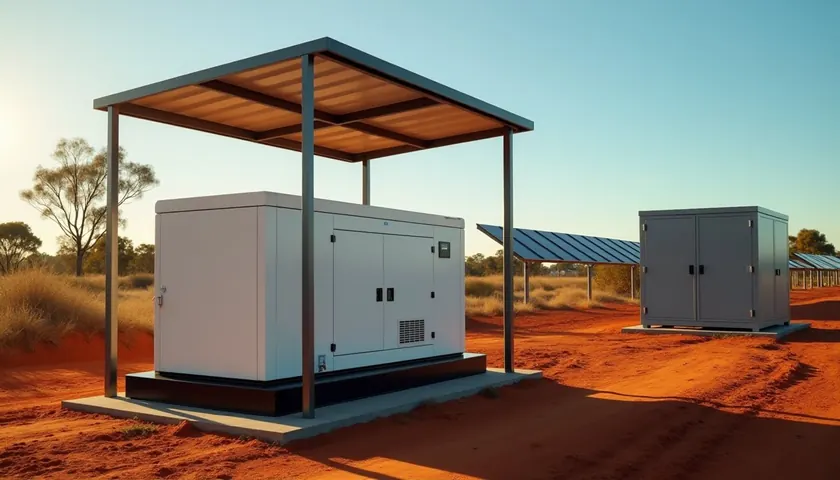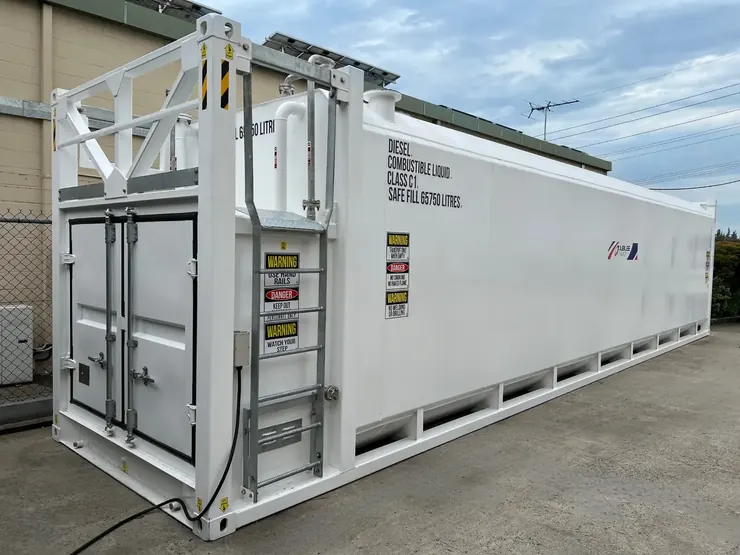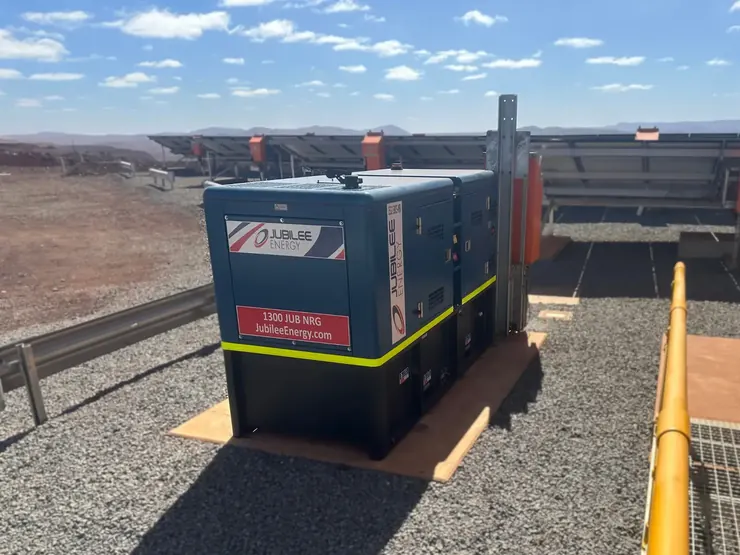

A diesel generator is a machine that converts chemical energy stored in diesel fuel into electric power. Put simply, it produces electricity when there is no access to the grid or when the main supply fails. If you’re asking how does a diesel generator work, the process combines fuel combustion, mechanical motion, and electrical conversion in one reliable system.
These systems are commonly installed in homes, commercial facilities, and industrial sites as a backup generator, or used as a primary power source in locations without a nearby power station or power plant.
They’re incredibly practical – but understanding how diesel generator work helps you choose the right solution for your needs.
The Basics of Diesel Generators
A diesel generator set consists of three core components: the diesel engine, the alternator, and the control system. Each part plays an essential role in delivering stable and reliable power.
In simple terms, the engine creates motion, the alternator converts that motion into electricity, and the control system regulates and protects the output. Together, they form a complete diesel generator set designed for dependable performance.
The Engine: The Power Source
At the heart of the system is the diesel engine. This is the component responsible for converting fuel into mechanical motion.
The engine draws in air and compresses it to very high pressure. Diesel fuel is then injected into the cylinder, where the heat from compression ignites it. This combustion releases energy that pushes the pistons, creating rotational motion. This motion is transferred to the alternator to generate electricity.
Diesel engines are known for their high efficiency and durability. Compared to petrol generators, they offer better fuel economy, longer operating life, and greater reliability for heavy-duty or continuous applications.
The Alternator: Turning Motion Into Electricity
The alternator converts mechanical motion into usable electric power through electromagnetic induction.
As the engine turns the alternator’s rotor, a magnetic field is created around the stator windings. This movement induces an electrical current, producing alternating current (AC). The resulting electricity can then be supplied directly to equipment or fed into a broader power distribution system, depending on the installation.
The Control System: Managing Power Output
The control system acts as the generator’s command centre. It ensures safe operation, regulates voltage and frequency, and protects the generator from faults.
Modern systems allow diesel generators to function as a standby generator, automatically starting during outages and delivering power until the main supply is restored. Control panels also display key data such as load levels, voltage, and operating hours, helping operators manage performance and maintenance.
The Fuel System: Ensuring Continuous Operation
The fuel system stores and delivers diesel to the engine through filters, pumps, and injectors. Diesel is favoured due to its high energy density and stability, which supports lower fuel consumption compared to many alternative fuels.
This efficiency makes diesel generators ideal for long runtimes and applications requiring continuous power, such as hospitals, data centres, and industrial facilities.
Cooling and Exhaust: Managing Heat and Emissions
Diesel generators generate significant heat during operation. Cooling systems, either air-cooled or liquid-cooled, prevent overheating and maintain optimal performance.
Exhaust systems safely direct emissions away from the generator while reducing noise levels. Proper servicing of both systems ensures compliance, efficiency, and long-term reliability.
Starting the Generator: Battery and Ignition
Most diesel generators use a battery-powered starter motor to initiate operation. Once the engine reaches operating speed, it becomes self-sustaining and continues generating electricity until shut down or fuel is depleted.
When Are Diesel Generators Used?
Diesel generators are used across a wide range of environments, including:
- Emergency backup for homes and businesses
- Remote sites without access to a central power station
- Construction projects requiring on-site power solutions
- Events and temporary installations needing reliable electricity
In many cases, they operate as a standby generator, while in others they function as the primary source of power.
Why Diesel Generators Are a Reliable Choice?
Diesel generators are valued for their efficiency, strength, and ability to operate under demanding conditions. Their lower fuel consumption, long service life, and capacity for continuous power output make them a trusted solution for critical infrastructure and commercial operations.
Related reading
How Jubilee Energy Can Help
Understanding how a diesel generator work is the first step in choosing the right system. Jubilee Energy provides end-to-end power solutions, from generator selection and custom builds to installation, servicing, and long-term support.
Whether you need a backup generator, a complete diesel generator set, or support with power distribution, our team is here to help you maintain reliable electricity when it matters most.
Contact Jubilee Energy today to discuss your power generation needs. With our expertise, you can ensure uninterrupted power when it matters most.
More insights from us
Discover the latest in power generation technology.