When you rely on a generator australia for backup power during blackouts or emergencies, having a safe and accessible fuel supply is essential. But storing fuel at home comes with its own set of risks if not done properly. Leaks, fires, and even health hazards can occur without the right precautions in place.
This guide walks you through how to store generator fuel safely at home, offering practical at-home fuel storage safety tips so you're prepared without putting your property, your loved ones, or your generator at risk.
Summary: Storing fuel properly is just as important as having a reliable generator. Whether you're preparing for a power outage, off-grid living, or just keeping a backup ready, safe fuel storage helps protect your home, your health, and your generator. In this guide, we cover everything Australian homeowners need to know about storing fuel safely, without the jargon.
Why Safe Fuel Storage Matters for Generators
Fuel is highly flammable and, if stored incorrectly, can lead to accidents, health issues, or damage to your generator. Keeping petrol or diesel stored safely ensures:
- Your generator performs when you need it
- You avoid safety hazards such as fires or spills
- You comply with Australian safety guidelines
Even small storage mistakes can lead to big problems, especially during hot weather or extended blackouts. Let’s walk through the key things to consider.
Choosing the Right Fuel Storage Containers
Use Approved Fuel Containers
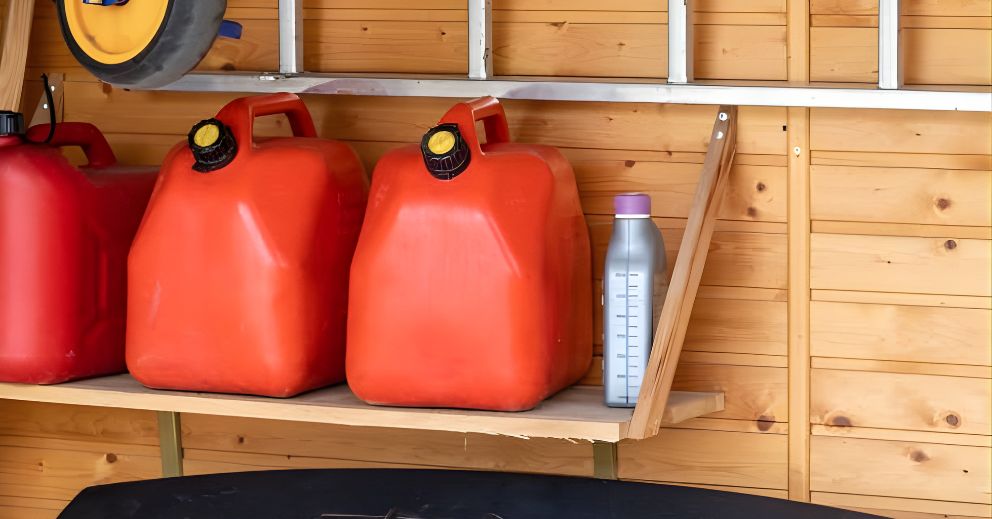
Always use containers that are specifically designed and labelled for fuel. These should meet Australian Standards (AS/NZS 2906) and be made of durable, non-corrosive materials. Avoid repurposing old containers, even if they have lids, leaks and fumes are serious risks.
Colour-Coded for Safety
In Australia:
- Red containers are typically used for petrol
- Yellow containers for diesel
- Blue containers for kerosene
Using the correct container reduces confusion and ensures safe handling.
Best Practices for Storing Fuel at Home
Store in a Cool, Ventilated Area
Keep fuel in a location that is:
- Well-ventilated
- Out of direct sunlight
- Away from ignition sources (like hot water systems or power tools)
Avoid storing fuel inside your home, garage, or shed if ventilation is poor. A detached storage shed with good airflow is ideal.
Keep Quantities Small
Limit storage to the amount you reasonably need for short-term use. Most councils limit storage to:
- 25 litres of petrol
- 60 litres of diesel
Check your local council regulations to stay compliant.
Use Fuel Stabiliser
If you're storing petrol for more than 30 days, use a fuel stabiliser to maintain quality and prevent degradation. Stale fuel can cause engine problems and is less efficient.
How Long Can Fuel Be Stored?
Petrol generally lasts:
- 3 to 6 months without stabiliser
- Up to 12 months with stabiliser
Diesel can last:
- 6 to 12 months, sometimes longer if stored in the right conditions
Always label containers with the date of purchase and check for changes in colour or smell before use.
Safe Refuelling and Handling Tips
Before refuelling, always allow the generator to cool to avoid a fire hazard. If any fuel spills occur, wipe them up immediately, and make sure you have a suitable fire extinguisher nearby, such as a Class B extinguisher designed for flammable liquids.
Wearing gloves while refuelling can help protect your hands, and it’s also important to avoid inhaling fumes, as they can be harmful with repeated exposure.
What Not to Do
- Don’t store fuel in glass or soft plastic containers
- Don’t keep fuel near barbecues, heaters, or electrical equipment
- Don’t ignore expiry dates, old fuel can damage your generator
Need Help Choosing the Right Generator Setup?
Storing fuel safely is just one part of being prepared. If you’re not sure which generator or fuel setup is right for your home, Jubilee Energy can help. Contact our expert team today for tailored advice and top-quality generator solutions.
Key Takeaways
- Use only approved containers that meet Australian safety standards
- Store fuel in a cool, ventilated space away from the home
- Limit storage amounts based on local regulations
- Use fuel stabiliser if you’re storing petrol long term
- Always label and rotate your fuel stock to avoid using old fuel
FAQ
Can I store fuel inside my home?
No. It’s best to store fuel in a separate, ventilated space away from your main residence.
What happens if I use old fuel?
Stale fuel can clog the engine, reduce performance, or stop your generator from starting altogether.
Is it safe to store fuel in hot weather?
Yes, as long as it’s kept in a shaded, well-ventilated area and in the correct container. Never store in direct sun.
More insights from us
Discover the latest in power generation technology.

.png)