.jpg)
When choosing a generator, power output is often the first thing people think about. But for residential areas, worksites near homes, or businesses operating after hours, noise levels matter just as much. A generator that is too loud can quickly lead to complaints, compliance issues, and strained relationships with neighbours.
Understanding how generator noise works makes it much easier to choose the right solution from the start.
Summary: Generator noise is measured in decibels, and even small increases can sound significantly louder to the human ear. Open-frame generators are typically far noisier than enclosed or silenced models, making them unsuitable for populated areas. Noise perception is also affected by distance, placement, and surrounding surfaces, not just the generator itself. Choosing the right generator type and installing it correctly helps minimise disruption, avoid neighbour complaints, and stay within local noise regulations.
How generator noise levels are measured
Generator noise is measured in decibels (dB), usually at a set distance such as seven metres. Decibels are not linear, so a generator rated at 70 dB is not just slightly louder than one at 60 dB. It is perceived as roughly twice as loud.
To put this into perspective:
- 50 dB is similar to a quiet conversation
- 60 dB is comparable to background office noise
- 70 dB sounds closer to a vacuum cleaner
- 80 dB and above can feel intrusive in residential settings
This is why even a small difference in generator noise ratings can have a big impact on how disruptive it feels to those nearby.
Why some generators are louder than others
Not all generators are built the same when it comes to noise control. Several design and operating factors influence how loud a generator will be.
Key contributors to generator noise include:
- Engine size and operating speed
- Whether the unit is open-frame or enclosed
- Exhaust design and muffling
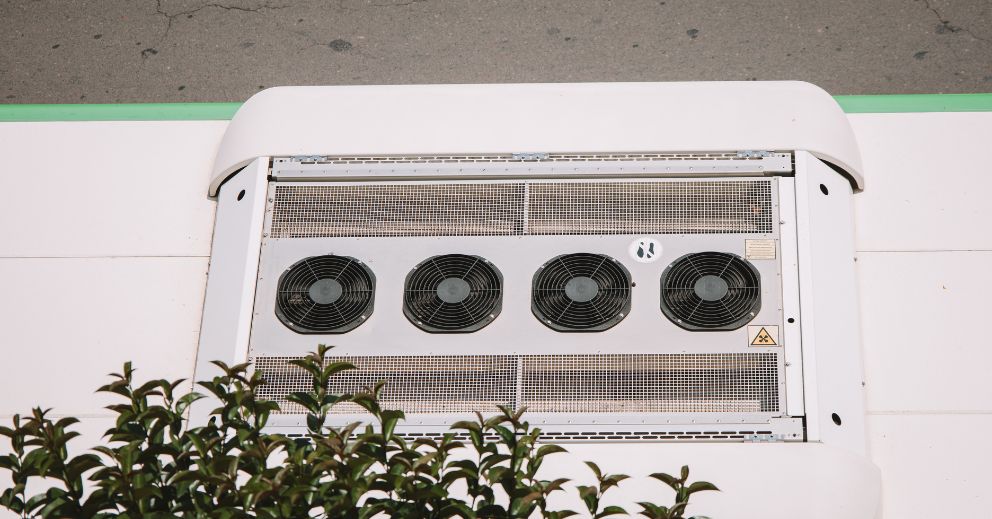
- Cooling fans and airflow
- Vibration transferred to the ground or nearby structures
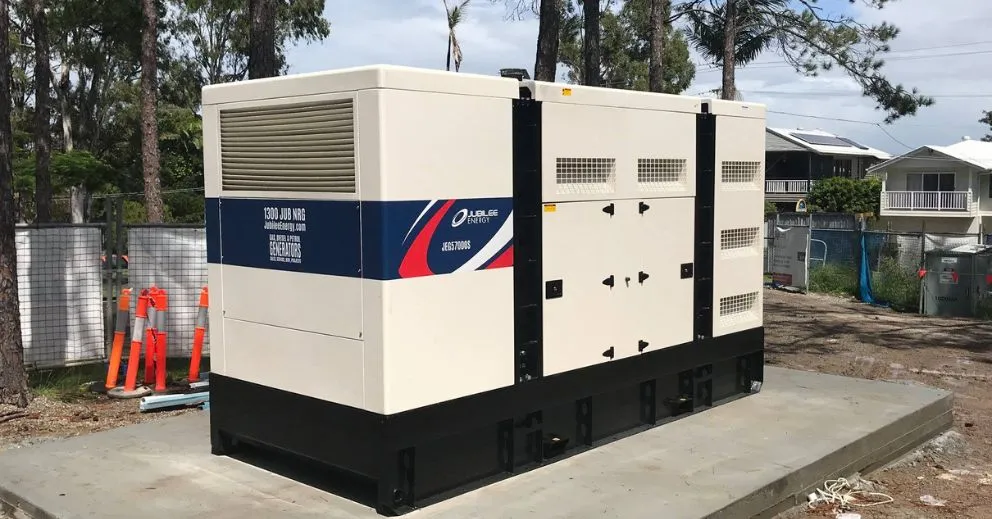
Open-frame generators are typically much louder and better suited to remote or industrial environments. Enclosed or acoustically treated generators are designed specifically to reduce noise and are far more appropriate for populated areas.
Distance and placement make a big difference
Noise does not travel evenly in all directions. How and where a generator is installed can significantly change how loud it sounds to neighbours.
Practical considerations include:
- Increasing the distance between the generator and nearby buildings
- Avoiding hard surfaces that reflect sound
- Positioning exhaust outlets away from neighbouring properties
- Using barriers, walls, or natural features to block noise paths
Even a relatively quiet generator can become a nuisance if it is poorly positioned.
Understanding local noise regulations
In Australia, generator noise is often regulated at a local council or state level. Restrictions may apply to:
- Maximum allowable noise levels
- Operating hours, particularly overnight
- Temporary versus permanent installations
- Construction or emergency use exemptions
Selecting a generator that sits comfortably within these limits provides flexibility and reduces the risk of operational restrictions later on.
When a quieter generator is the smarter investment
Lower-noise generators may have a higher upfront cost, but they often deliver stronger long-term value.
Benefits include:
- Reduced risk of complaints or forced shutdowns
- Greater flexibility in operating hours
- Improved on-site communication and safety
- Better relationships with neighbours and stakeholders
For residential backup power, events, and urban worksites, quiet operation is often essential rather than optional.
Need a generator solution that keeps the peace?
At Jubilee Energy, we design bespoke power generation solutions that balance performance, compliance, and noise control.
Whether you need temporary power or a long-term installation, our team can help you select and position a generator that delivers reliable power without disturbing those around you.
Key takeaways
- Generator noise increases faster than most people expect as decibel levels rise
- Open generators are significantly louder than enclosed or silenced units
- Placement and surroundings can amplify or reduce noise impact
- Local noise regulations should be considered early
- Quieter generators reduce risk, stress, and long-term costs
FAQ
What is considered a quiet generator?
A generator is generally considered quiet if it operates around 60 dB or less at a standard distance, such as seven metres. This level is similar to background office noise and is far less likely to cause disturbance in residential or urban areas.
Are silent generators completely noise-free?
No generator is completely silent. “Silent” or “super silent” generators use acoustic enclosures and advanced muffling to significantly reduce noise, but some sound will always be present during operation.
Do quieter generators cost more?
Quieter generators often have a higher upfront cost due to acoustic enclosures and noise-reduction engineering. However, they can reduce the risk of complaints, fines, or operational restrictions, making them more cost-effective in the long run.
Are there restrictions on when generators can be used?
In many areas, local councils set limits on generator operating hours, particularly overnight or in residential zones. These rules vary by location, so it is important to consider compliance when selecting and installing a generator.
More insights from us
Discover the latest in power generation technology.