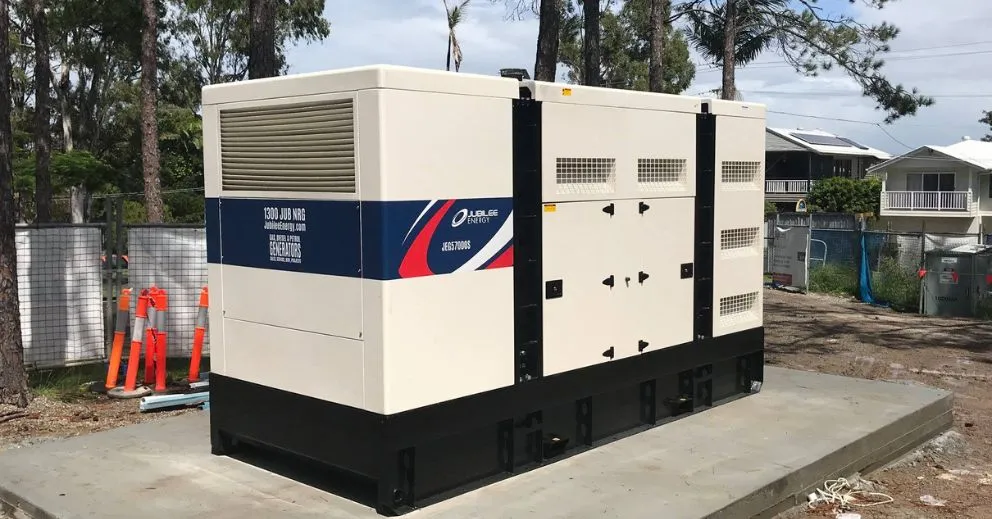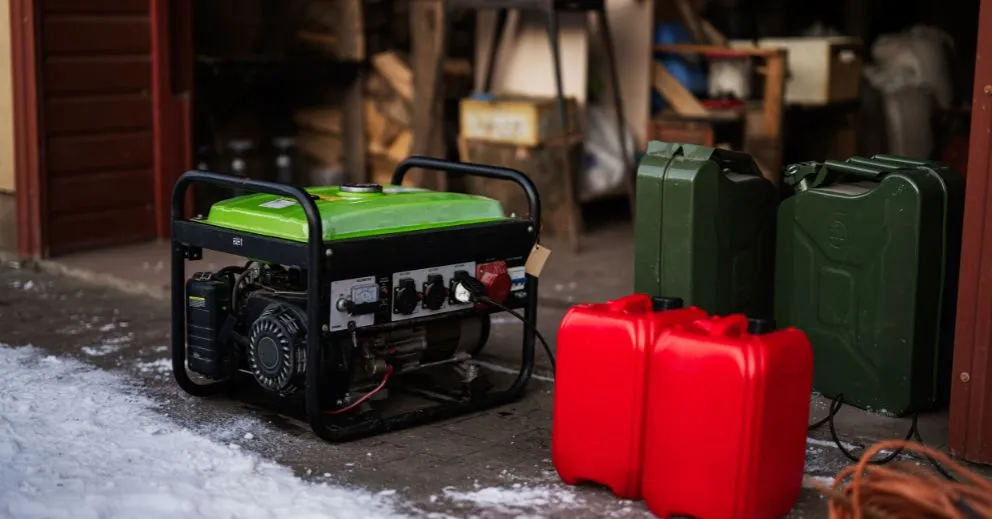
When it comes to keeping your generator fuel-efficient and reliable, load testing is a simple but powerful tool that’s often overlooked.
Whether you're managing a commercial generator or relying on backup power for emergencies, understanding how load testing improves performance can save you money and reduce the risk of breakdowns.
Summary: Load testing is the process of running your generator under a simulated electrical load to measure its performance. It helps detect fuel inefficiency, power irregularities, and other hidden issues. By identifying problems early, you can reduce unnecessary fuel consumption and extend the life of your generator.
What Is Load Testing?
Load testing involves applying an artificial load to your generator to simulate real-world usage. This process ensures that the generator can handle the power demands you expect from it, without wasting fuel or showing signs of stress.
It can be done using load banks or connected systems and is usually carried out during scheduled maintenance.
Why Is Load Testing Important for Fuel Efficiency?
Without regular load testing, your generator may run below its intended capacity or inefficiently, leading to increased fuel consumption and wear and tear. Here's how load testing supports better fuel performance:
- Detects wet stacking: When a diesel generator runs at low load for too long, unburned fuel can build up in the exhaust system. Load testing helps prevent this.
- Improves combustion: Operating under load improves the engine’s combustion process, which leads to more complete fuel burn.
- Highlights inefficiencies: If your generator is using too much fuel to produce too little power, load testing can help pinpoint where the problem lies.
- Keeps systems active: Generators that sit unused can develop internal issues. Load testing exercises the machine, keeping all parts in working condition.
How Often Should You Load Test Your Generator?
For most commercial generators, load testing should be part of your regular servicing schedule, ideally every 6 to 12 months, depending on usage.
Generators that are used infrequently (like emergency standby units) especially benefit from load testing to ensure they perform correctly when needed.
Professional Load Testing vs. DIY
While small portable generators might be tested under household loads, commercial and industrial units require professional equipment and experience. A qualified technician can:
- Ensure the load is applied safely
- Monitor electrical output and fuel usage
- Provide a detailed report on system performance
- Make recommendations for improvements
Need Help with Load Testing?
If your generator burns more fuel than usual or seems sluggish, load testing is a valuable diagnostic step. Rather than guessing, it gives you a clear picture of how efficiently your system is running, so you can make informed decisions.
Let Jubilee Energy handle your generator load testing and servicing. Our experienced team ensures your equipment runs safely and efficiently.
Call us today or request a quote online to get started.
Key Takeaways
- Load testing helps ensure your generator runs at peak fuel efficiency.
- It prevents common issues like wet stacking and poor combustion.
- Regular testing can detect performance problems before they become costly.
- Professional load testing is safer and more accurate than DIY methods.
- It’s a valuable part of your maintenance plan, especially for standby units.
FAQ
What is wet stacking and why is it a problem?
Wet stacking occurs when unburned fuel builds up in the exhaust system of a diesel generator, usually due to running it at low loads. It can reduce efficiency and cause long-term damage.
Can I do load testing myself?
You can simulate some load using household appliances, but professional load testing with calibrated equipment is much more accurate and safer—especially for larger units.
Does load testing use more fuel?
Yes, temporarily. But the process helps identify ways to improve overall fuel efficiency, making it worth the small fuel cost during testing.
Is load testing required by law or regulations?
For certain commercial operations (e.g. hospitals or data centres), load testing may be required to meet safety or compliance standards.
More insights from us
Discover the latest in power generation technology.
.jpg)