
When a blackout hits, the last thing you want is to discover your generator isn’t ready. Whether you're protecting your home or keeping a business running, preparation is key.
This emergency generator checklist will help ensure your backup power is ready to perform when needed.
Summary: Many Australians face unexpected power outages caused by storms, bushfires, grid strain, or planned maintenance. A backup generator can keep you powered, but only if it’s properly prepared. This blog outlines a practical checklist to follow before the lights go out, covering everything from fuel levels to safe placement, to ensure peace of mind during outages.
1. Check the Fuel and Oil Levels
Before an emergency hits, make sure your generator has a full tank of fuel and the oil is topped up. Low fuel can cause the generator to shut off unexpectedly, while dirty or insufficient oil can damage the engine.
- Use fresh, stabilised fuel
- Check for leaks or blockages
- Change oil if it's been sitting unused for months
2. Test Run Your Generator
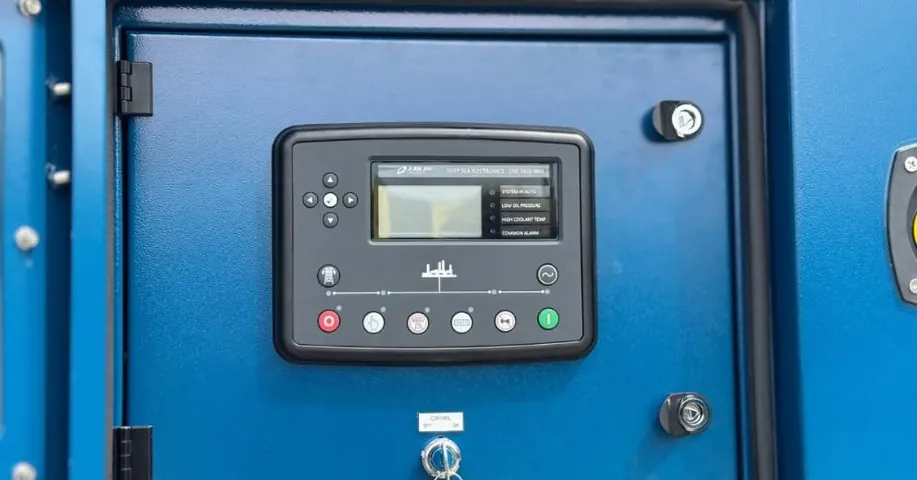
A quick test run every few weeks keeps your generator in good working order. Let it run for 10–15 minutes to lubricate moving parts, ensure the battery is charged, and confirm that everything sounds and feels right.
- Listen for odd noises
- Check for vibrations
- Monitor startup and shutdown response
3. Inspect Electrical Connections
Faulty or loose wiring can lead to power surges or generator failure. Ensure that cords are undamaged and securely connected.
- Use heavy-duty, outdoor-rated extension cords
- Avoid overloading the generator
- Test transfer switches if installed
4. Store Fuel and Cables Safely
Store fuel away from heat sources and in clearly labelled, approved containers. Keep extension cords neatly stored and ready to deploy quickly.
- Never store fuel indoors
- Keep cables untangled and easy to access
5. Position Your Generator Correctly
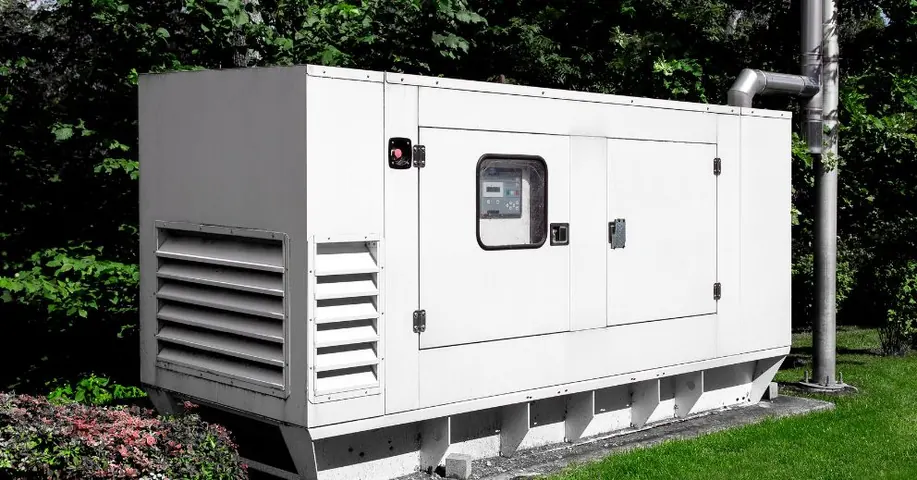
Place your generator in a well-ventilated, dry, and level area. Never run it indoors or near open windows, as it releases deadly carbon monoxide.
- Use a weatherproof cover if outdoors
- Set it up at least 6 metres from occupied buildings
- Ensure good airflow around the unit
6. Check the Air Filter and Spark Plug
Dirty filters and worn-out spark plugs reduce efficiency and can prevent the generator from starting.
- Replace or clean the air filter if it’s dirty
- Inspect and replace spark plugs as needed
7. Keep Emergency Contacts and Manuals Handy
Have your generator’s manual and Jubilee Energy’s contact details ready in case you need troubleshooting support or emergency service.
- Store the manual in a waterproof folder
- Save contact numbers in your phone and keep a physical copy
Related reading
Need Help With Generator Setup or Maintenance?
Whether you're preparing for storm season or ensuring business continuity, Jubilee Energy is here to help. Contact our team for professional generator advice, installation, and servicing across Brisbane and beyond.
Key Takeaways
- Regular maintenance ensures your generator is ready before an outage.
- Fuel, oil, and placement are crucial for safe and efficient operation.
- Test runs help you spot issues before they become emergencies.
- Keep your setup safe with proper ventilation, cabling, and fuel storage.
- Being prepared saves time, money, and stress during blackouts.
FAQ
How often should I test my generator?
Ideally, run your generator for 10–15 minutes every 2–4 weeks to keep it in working order.
Can I use a regular extension cord with my generator?
No, always use heavy-duty, outdoor-rated cords that match your generator’s wattage output.
Is it okay to store fuel next to the generator?
No, fuel should be stored safely away from the unit to avoid fire hazards.
What happens if I forget to service my generator?
Neglecting maintenance can lead to system failure, costly repairs, and safety risks during emergencies.
More insights from us
Discover the latest in power generation technology.