When it comes to buying a generator, most people assume bigger is better. If a 10 kVA unit covers your needs, surely a 20 kVA unit gives you a comfortable buffer, right? Not quite. Oversizing a generator is one of the most common mistakes in generator selection, and it can lead to a surprisingly long list of operational problems.
TLDR: Running a generator that's too large for your actual load causes wet stacking, engine wear, fuel waste, and shortened equipment life. Getting the sizing right from the start saves money and headaches down the track.
What Happens When a Generator Runs Below Capacity
Every generator is designed to run efficiently within a certain load range. Most manufacturers recommend operating a diesel generator at somewhere between 70% and 80% of its rated load capacity. When you run a generator consistently below that range, the engine doesn't reach its optimal operating temperature.
This might sound harmless, but the knock-on effects are significant. Combustion becomes incomplete, fuel isn't burned efficiently, and carbon deposits start building up inside the engine. Over time, this causes real mechanical damage.
Wet Stacking: The Big Risk of Light Loading
Wet stacking is the most well-known consequence of running an oversized generator. It happens when unburned fuel and carbon residue accumulate in the exhaust system. You'll often notice it as black, oily deposits around the exhaust outlet.
Left unchecked, wet stacking reduces engine performance, increases emissions, and can eventually cause serious damage to internal components. It's a slow problem that sneaks up on you, especially if the generator is only used occasionally or as a backup unit.
Poor Combustion and Carbon Build-Up
Diesel engines rely on heat and pressure to combust fuel properly. When the load is too light, cylinder temperatures drop and combustion is incomplete. Carbon deposits form on injectors, piston rings, and cylinder walls.
This build-up restricts airflow, reduces compression, and forces the engine to work harder just to maintain basic output. It's a cycle that compounds over time and leads to expensive repairs.
The Fuel Efficiency Problem With Oversized Generators
Fuel consumption doesn't scale down neatly when you run a large generator at a light load. In fact, an oversized unit running at 25% capacity can burn nearly as much fuel as a correctly sized unit running at 75% capacity. That's a significant waste of money, especially for businesses running generators for extended periods.
Higher Running Costs Over Time
If you're using a generator for backup power or continuous operation, the fuel bill adds up fast. A generator that's twice the size you need doesn't cost twice as much to run at light load, but it certainly costs more than a properly matched unit would. Over months or years, that difference is substantial.
Unnecessary Emissions
Poor combustion also means higher emissions. An oversized generator running light produces more particulate matter and unburned hydrocarbons than one operating at its optimal load range. For businesses with environmental reporting obligations or operating in sensitive areas, this matters.
Mechanical Wear and Shortened Generator Lifespan
Generator manufacturers rate their equipment based on expected hours of operation at appropriate load levels. Running an oversized unit at consistently low loads doesn't just waste fuel, it actively shortens the life of the machine.
Engine and Alternator Stress
Paradoxically, a generator under low load can experience more wear in certain components than one running at the right capacity. Oil contamination from incomplete combustion, glazed cylinder liners, and fouled injectors are all common results of chronic under-loading.
The alternator can also suffer. Voltage regulation becomes inconsistent when the load is far below rated capacity, which can affect the quality of power being delivered to your equipment.
Increased Maintenance Frequency
All of the issues above translate directly into more maintenance. Injectors need cleaning or replacing sooner. Oil changes are required more frequently because combustion by-products contaminate the oil faster. Exhaust systems need attention. These aren't catastrophic failures, but they add up in both cost and downtime.
Warranty and Compliance Considerations
Some generator manufacturers include load requirements in their warranty conditions. If a unit is consistently run below the recommended load range and a fault develops, you may find yourself in a difficult conversation about whether the warranty applies. It's worth reading the fine print before assuming bigger is safer.
How to Actually Size a Generator Correctly
Proper generator sizing starts with a thorough load assessment. You need to account for your base load (what's running continuously), your peak load (what happens when large equipment starts up), and any future load growth you're planning for.
Understanding Starting Load vs Running Load
Electric motors, air conditioners, and compressors all draw significantly more power at startup than they do when running. This inrush current needs to be factored in, but it doesn't mean you size the entire generator around that brief spike. A qualified generator specialist can calculate the right balance.
The Right Buffer Is Not the Biggest Buffer
There's nothing wrong with building in a modest capacity buffer, typically around 10% to 20% above your expected peak load. This gives you headroom for load growth and protects against unexpected demand. What causes problems is selecting a unit that's 50%, 100%, or more above what your load actually requires.
When Multiple Smaller Units Make More Sense
For some applications, running two smaller generators in parallel is a smarter approach than one oversized unit. You can bring the second unit online when demand increases, and run just one during lighter periods. This keeps each unit operating in its efficient load range and gives you built-in redundancy as a bonus.
Related reading
Take the Guesswork Out of Generator Sizing
If you're not sure where to start, Jubilee Energy can help you work through generator sizing for your site and make sure you're set up for reliable, efficient operation. Reach out to the team to get the conversation started.
Key Takeaways
- Generators should ideally run at 70% to 80% of rated capacity for optimal performance.
- Chronic under-loading causes wet stacking, carbon build-up, and incomplete combustion.
- Oversized generators waste fuel, even when running at light loads.
- Mechanical wear and maintenance costs increase when a generator runs below its efficient range.
- A modest 10% to 20% capacity buffer is sensible; doubling your requirement is not.
- Parallel generator configurations can offer a smarter solution than one oversized unit.
- Always base generator selection on a proper load assessment, not a rough estimate.
FAQ
Can I fix wet stacking once it's already happened?
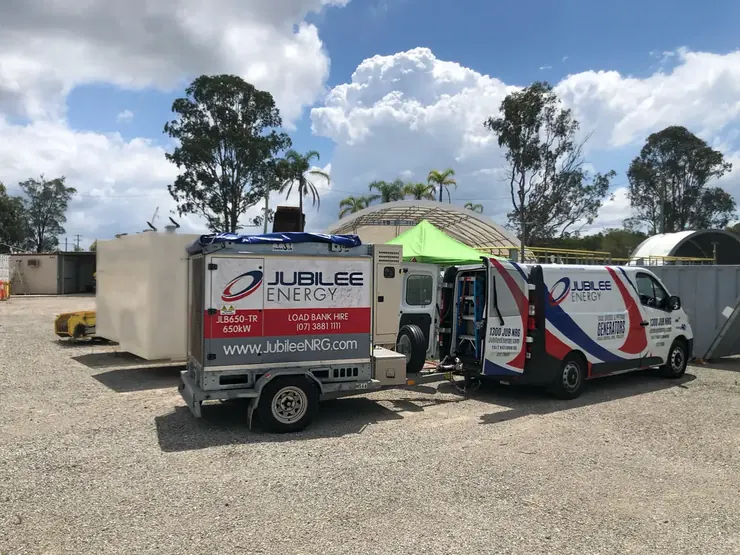
Yes, in most cases wet stacking can be remedied by running the generator under a high load for an extended period, sometimes called a "load bank test". This burns off the accumulated deposits and brings the engine back into its normal operating range.
For severe cases, a mechanical clean of the exhaust system and injectors may also be needed. Catching it early makes the fix much simpler and cheaper.
Does oversizing affect the quality of power delivered to my equipment?
It can. Voltage and frequency stability are generally best when a generator is running within its intended load range. At very light loads, some generators produce less stable output, which can affect sensitive electronics or equipment with tight power quality requirements.
Is it ever acceptable to run a generator at low load?
Short periods of light loading, such as during startup or brief quiet periods, are normal and not a concern. The problem arises when a generator runs at low load consistently over long periods, say, hours at a time on a regular basis.
If your load varies significantly throughout the day, a generator with load management features or a parallel setup may be worth considering.
How often should an oversized generator be serviced compared to a correctly sized one?
An oversized generator running at light load will typically need more frequent attention, particularly around oil changes, injector servicing, and exhaust system inspection. The exact interval depends on the specific unit and how far below capacity it's operating, so it's best to follow your service provider's guidance based on your actual usage pattern.
What's the best way to confirm the right generator size for my site?
A proper site load assessment is the most reliable approach. This involves measuring or calculating your actual running load, identifying peak demand events, and factoring in any planned load growth. A generator specialist can walk through this with you and recommend a unit that fits your real needs, not just a worst-case scenario.
More insights from us
Discover the latest in power generation technology.