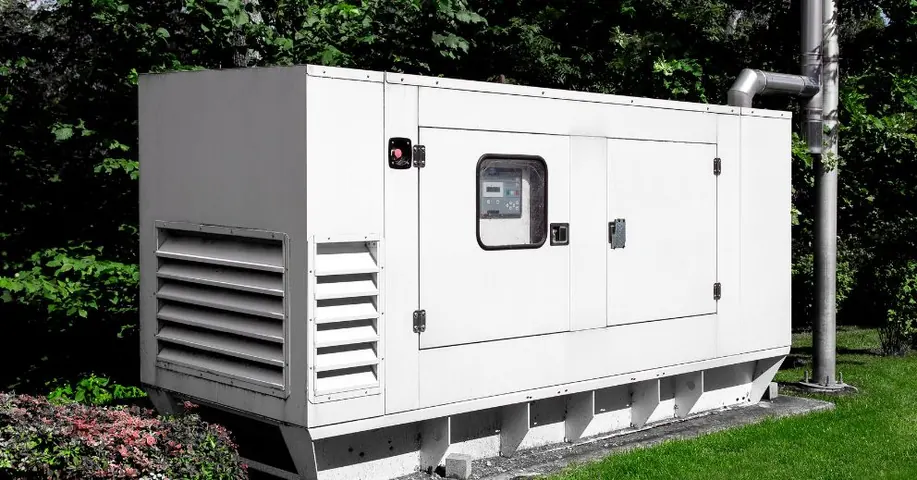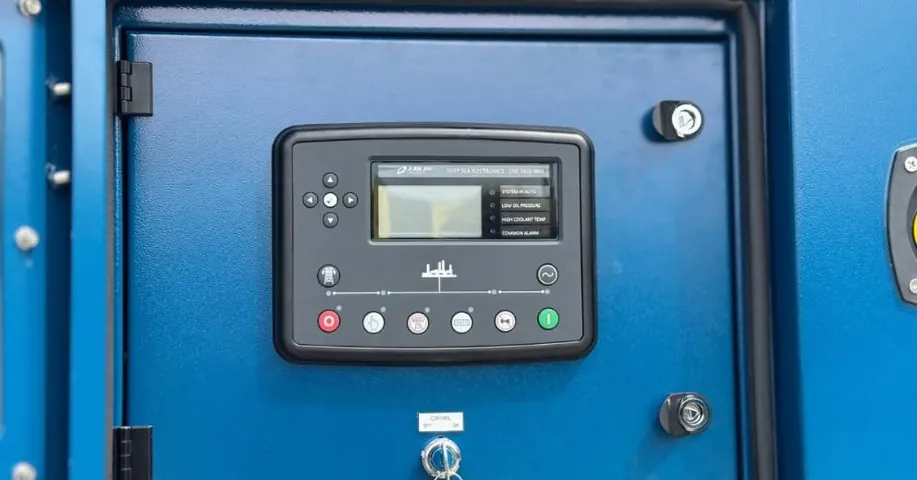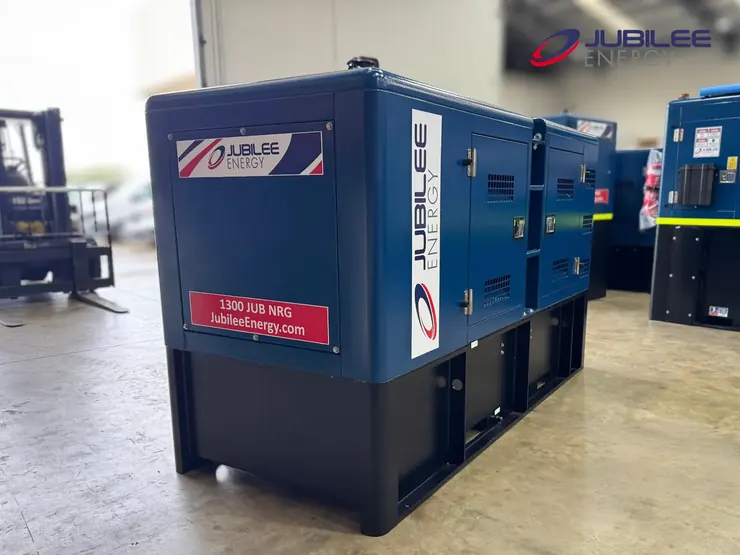

Getting a standby generator installed isn't just a matter of dropping a unit outside and plugging it in. There's a fair bit of groundwork that needs to happen first, and skipping any of it can cause delays, extra costs, or safety issues down the track. Whether you're protecting a home, a small business, or a critical facility, a proper pre-installation site assessment makes the whole process smoother for everyone involved.
TLDR: Before your standby generator goes in, your site needs to be assessed for space, fuel supply, electrical connections, ventilation, and council requirements. Getting these sorted in advance avoids costly surprises and keeps the installation on schedule.
Why a Site Checklist Matters Before Generator Installation
Avoiding costly surprises mid-installation
Nothing slows down an installation job like discovering a problem that should have been caught weeks earlier. A missing gas line, inadequate clearance, or an undersized transfer switch can all bring work to a halt. Identifying these issues upfront saves time, money, and a lot of frustration.
Meeting Australian standards and local council requirements
Standby generator installations in Australia need to comply with AS/NZS 3010 (electrical installations for generating sets) and potentially other state-based regulations. Many councils also require a development application or building permit depending on the size of the unit and where it's being placed. Knowing your local requirements before you start is non-negotiable.
Ensuring the right generator is matched to your site
A site assessment also informs the equipment selection. The physical characteristics of your property, your power load requirements, and your fuel options all influence which generator model and configuration will actually work for you. Getting this wrong upfront means expensive changes later.
Assessing the Physical Installation Site
Clearance and placement requirements
Standby generators need adequate clearance from buildings, windows, doors, and property boundaries. Most manufacturers specify minimum clearance distances, and these are usually reinforced by local council setback rules. Check both before choosing your final placement location.
The generator also needs to be accessible for regular maintenance and servicing. If a technician can't comfortably reach all four sides of the unit, you'll run into problems at every service visit.
Ground conditions and concrete pad requirements
Generators need to sit on a solid, level surface. In most cases, this means a purpose-built concrete pad. The pad needs to be the right size for the unit, properly cured before installation, and positioned to allow for drainage. Soft ground, slopes, or areas prone to flooding all need extra attention at this stage.
Noise and vibration considerations
Generators produce noise and vibration during operation. Where you place the unit relative to bedrooms, neighbouring properties, and noise-sensitive areas matters. Some councils have noise restrictions that apply to standby generator operation, particularly in residential zones. Anti-vibration mounts and acoustic enclosures can help, but placement is still your first line of defence.
Fuel Supply and Connection Planning
Natural gas vs LPG vs diesel
The fuel type you choose affects almost every other part of the installation. Natural gas generators connect directly to your existing gas supply, but the line needs to be sized correctly to handle the additional load. LPG requires a dedicated tank, which has its own placement and safety requirements. Diesel units need a storage tank, spill containment, and a refuelling plan.
Your site may not be suitable for all fuel types. If you're on natural gas, check with your gas distributor whether the existing supply pressure and pipe sizing can support a generator. This step often gets overlooked.
Gas line sizing and pressure testing
For gas-fuelled generators, the incoming supply line must be able to deliver the required volume of gas at the right pressure, even when other appliances are running at the same time. A licensed gas fitter will need to assess and potentially upgrade your gas infrastructure before the generator can be commissioned.
Fuel storage compliance for diesel units
Diesel storage on-site is subject to dangerous goods regulations. Depending on the volume stored, you may need specific containment bunding, signage, and council approvals. Get this sorted early, as approvals can take time.
Electrical Infrastructure and Load Assessment
Transfer switch selection
A standby generator needs either a manual or automatic transfer switch (ATS) to safely connect and disconnect from the mains supply. The ATS must be correctly rated for your electrical load and installed by a licensed electrician. It prevents dangerous back-feeding into the grid, which can injure utility workers and damage equipment.
Load calculation and circuit prioritisation
Before installation, you need a clear picture of what the generator will power. Will it cover your whole property or just critical circuits like refrigeration, lighting, and communications? A load calculation helps size the generator correctly and informs how the electrical panel is configured. Oversizing wastes money; undersizing causes overloads.
Existing switchboard condition
Older switchboards may not be compatible with modern transfer switch equipment, or they may need upgrades to handle the additional circuits. Have a licensed electrician inspect your switchboard before installation day. Discovering a compliance issue mid-job is one of the most common causes of project delays.
Ventilation, Exhaust, and Environmental Factors
Exhaust routing and emission requirements
Generators produce exhaust gases including carbon monoxide, which is colourless, odourless, and deadly. Exhaust must be directed well away from any occupied spaces, air intake points, and openable windows. The routing of the exhaust pipe needs to be planned before the unit is positioned, not after.
Ventilation for enclosed installations
If the generator is being installed in an enclosure, shed, or plant room, ventilation becomes critical. The space needs sufficient airflow for combustion and cooling. Inadequate ventilation causes the generator to overheat, run inefficiently, and fail prematurely. This is one area where cutting corners has real consequences.
Stormwater and environmental protection
Fuel spills, oil leaks, and coolant runoff must be managed to prevent environmental contamination. Depending on your site and the generator size, you may need drip trays, bunding, or specific drainage arrangements. Environmental compliance is increasingly enforced, especially for commercial and industrial installations.
Related reading
Get Your Site Ready Before Installation Day
If you're planning a standby generator installation and want to get the site preparation right from the start, the team at Jubilee Energy can walk you through the full pre-installation checklist for your property and make sure nothing gets missed before work begins.
Reach out to discuss your site requirements.
Key Takeaways
- A thorough site assessment before installation prevents delays, cost blowouts, and safety issues.
- Check clearance distances, ground conditions, and council setback requirements before confirming placement.
- Fuel supply infrastructure (gas line sizing, diesel storage compliance) must be assessed and potentially upgraded before installation.
- A correctly rated automatic transfer switch is essential for safe grid isolation and mains changeover.
- Load calculations determine the right generator size and how your electrical panel should be configured.
- Exhaust routing and ventilation planning must happen before the unit is positioned, not as an afterthought.
- Australian standards (AS/NZS 3010) and local council requirements apply to most standby generator installations.
- Older switchboards may need upgrading to be compatible with transfer switch equipment.
FAQ
Do I need council approval to install a standby generator at my home?
In many cases, yes. Whether you need a development application or building permit depends on the size of the generator, where it's being placed on your property, and your local council's planning rules. Larger units, those in noise-sensitive zones, or installations close to property boundaries are more likely to require formal approval.
It's worth calling your council or checking their planning portal before you commit to a location. Your installer should also be familiar with common local requirements and can often advise on what documentation you'll need.
How long does a pre-installation site assessment typically take?
For a standard residential installation, a site assessment usually takes one to two hours. More complex commercial or industrial sites can take longer, particularly if load calculations, fuel supply upgrades, or structural considerations are involved.
The assessment itself is a relatively small time investment compared to the delays it prevents. Most reputable generator installers include a site visit as part of their quoting process.
Can I install a standby generator myself, or does it need to be done by a licensed tradesperson?
Standby generator installation involves licensed electrical work and, in most cases, licensed gas fitting. In Australia, both of these must be carried out by appropriately licensed tradespeople. Attempting to do this work unlicensed is illegal and creates serious safety and insurance risks.
The concrete pad and some groundwork can sometimes be done independently, but anything involving electrical connections, transfer switches, or gas lines requires a licensed professional.
What happens if my existing gas supply isn't adequate for a generator?
If your current gas line isn't sized to handle the additional load, a licensed gas fitter will need to upgrade the pipework or meter before the generator can be commissioned. This might involve installing a larger diameter pipe, upgrading the meter, or adjusting the regulator settings.
It's a common finding during site assessments, particularly in older properties. Getting your gas infrastructure assessed early means there's time to organise the upgrade without holding up the rest of the installation.
How close to my neighbour's fence can a standby generator be placed?
This depends on both the manufacturer's minimum clearance specifications and your local council's setback rules. Most generators require at least one metre of clearance on all sides, and council rules may require more, particularly in residential zones where noise is a consideration.
Your installer will check both sets of requirements during the site assessment and help you identify a compliant location that also works practically for maintenance access and exhaust routing.
More insights from us
Discover the latest in power generation technology.