
Here's a myth worth busting straight away: when the power goes out, most people assume the goal is to keep everything running. It isn't. Trying to power your whole house during an outage is often unrealistic, and it's not even the smart move if you've got a backup generator or battery system with limited capacity.
The real skill is knowing what actually matters in those first few hours, and what can safely wait. Get that wrong and you can overload a generator, drain a battery bank faster than expected, or worse, damage the appliances you were trying to protect.
TLDR: Not everything in your home needs power during an outage, and trying to run it all at once can overload your backup system. Prioritise the fridge and freezer, medical equipment, communication devices, and essential lighting first, then think about heating or cooling only if your setup can handle it. Knowing your system's real capacity matters more than owning a bigger generator.
The Outage Priority Myth Most Households Get Wrong
A lot of homeowners think a generator or battery backup means life continues exactly as normal. That's rarely how it works in practice, especially with portable or mid-sized generators that have a fixed wattage limit.
Why "Just Plug Everything In" Doesn't Work
Every appliance draws a different amount of power, and some need a big surge just to start up. Air conditioners, fridges, and power tools all pull extra current the moment they switch on, which is called starting or surge wattage.
If you plug in too many high-draw appliances at once, you can trip a breaker, overload a generator, or shorten the life of a battery system. That's why prioritising isn't about being cautious for no reason, it's about protecting your equipment and making your power last.
What "Essential" Actually Means for Most Homes
Essential doesn't mean everything you use daily. It means the things that protect health, safety, food, and your ability to stay informed or contactable during the outage.
- Food safety (fridge and freezer)
- Medical or mobility equipment
- Communication devices and chargers
- Basic lighting for safety and navigation
- Heating or cooling only if health or extreme weather demands it
Appliances That Deserve the Top Spot
Once you've accepted you can't run everything, the next question is what actually goes first. This is where most outage plans fall apart, because people prioritise convenience over necessity.
Fridges and Freezers
Food spoilage is one of the most common and costly outcomes of a prolonged outage. A full freezer can stay cold for around 48 hours if left unopened, but a fridge only holds safe temperatures for about four hours without power.
Keeping these running, even intermittently, protects your food budget and reduces waste. It's usually one of the first loads people connect to a backup generator or battery system.
Medical and Mobility Equipment
Oxygen concentrators, CPAP machines, stairlifts, and other medical devices aren't optional during an outage. For households relying on this kind of equipment, having a plan in place before an outage happens is essential, not something to figure out on the day.
If someone in your home depends on powered medical equipment, it's worth speaking with an electrician about a dedicated backup circuit.
Communication and Safety Devices
Phones, modems, and torches all fall into the "keep charged" category. Being able to call for help, check outage updates, or contact family matters more than most people realise until they're without it.
- Mobile phones and power banks
- Modem or router (if internet is your only communication line)
- Torches and battery-powered lanterns
- A battery or crank-powered radio for updates
Heating, Cooling, and Comfort: Where They Actually Rank
Heating and cooling often feel urgent in the moment, but they draw a lot of power and aren't always necessary depending on the season and your household's health needs.
When Heating or Cooling Becomes Essential
For elderly residents, young children, or anyone with a health condition affected by temperature extremes, heating or cooling isn't a luxury, it's a safety issue. In these cases, it moves up the priority list alongside medical equipment.
A single portable heater or window air conditioner is usually more realistic to run on a generator than trying to power ducted systems.
Why Whole-House Systems Usually Wait
Ducted heating and cooling systems are among the heaviest power draws in a home. Unless you've got a properly sized standby generator, these typically aren't practical to run during an outage and should be planned around rather than prioritised.
Matching Your Appliance List to Your Backup Power Capacity
Knowing what to prioritise only helps if you also understand what your system can actually supply. This is where a lot of outage plans go wrong, people build a list based on what they want, not what their generator or battery bank can deliver.
Checking Wattage Before an Outage Hits
Every appliance has a running wattage and a higher startup wattage. Adding these up for your priority list, and comparing it against your generator or battery system's rated output, tells you what's realistic.
This is a job worth doing before you're in an actual outage, not during one. An electrician can help calculate real household loads rather than relying on rough guesses.
Portable Generators vs Home Battery Systems
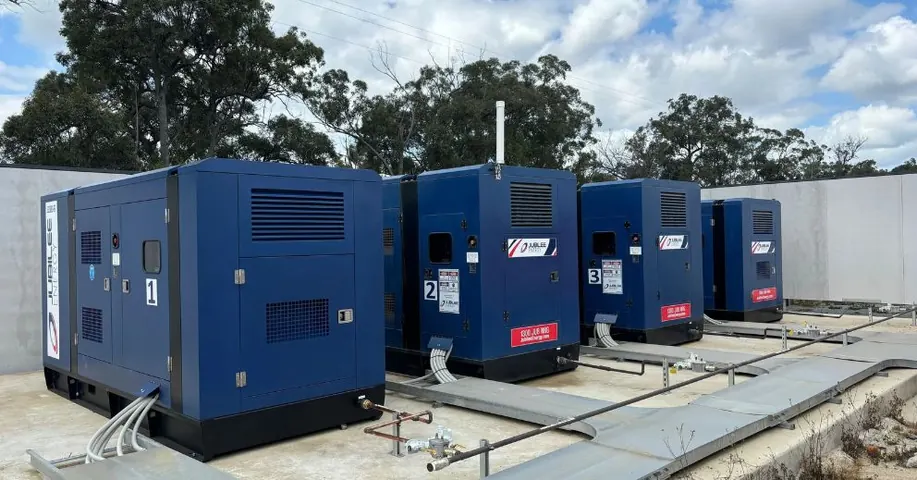
Portable generators are flexible and can be moved to power specific circuits, but they need fuel, ventilation, and manual setup. Home battery systems, particularly those paired with solar, can switch on automatically and run quietly indoors, though capacity and runtime vary depending on the system size.
Choosing between the two, or running both, depends on your household's needs, budget, and how often outages actually affect your area.
Related reading
Planning Your Household's Outage Priorities
Working out what deserves power during an outage isn't about guesswork, it's about understanding your household's real needs against what your backup system can deliver. Getting this right before an outage happens, makes the actual event far less stressful.
If you're weighing up generator sizing, battery backup options, or just want a clearer picture of your home's power priorities, Jubilee Energy can help you plan a setup that matches how your household actually uses power. Get in touch today.
Key Takeaways
- Trying to power everything during an outage often overloads generators or batteries.
- Fridges, freezers, medical equipment, and communication devices should be top priority.
- Heating or cooling only becomes essential when health or extreme weather makes it so.
- Whole-house systems like ducted air conditioning usually aren't realistic to run on backup power.
- Matching your appliance list to your system's actual wattage capacity prevents overloads and equipment damage.
- Planning ahead, especially for medical equipment, matters more than reacting during the outage itself.
FAQ
How do I know if my generator is big enough for my priority appliances?
Add up the running wattage of your essential appliances, then account for the highest startup wattage among them, since that's the peak your generator needs to handle. If the total is close to or above your generator's rated output, you'll need to drop something from the list or upgrade your system.
Can I rotate which appliances get power during a long outage?
Yes, and this is actually a common strategy for extended outages. Running the fridge for a few hours, switching to charge devices, then switching back can stretch fuel or battery capacity much further than trying to run everything continuously.
Is it safe to connect a generator directly to my home's wiring?
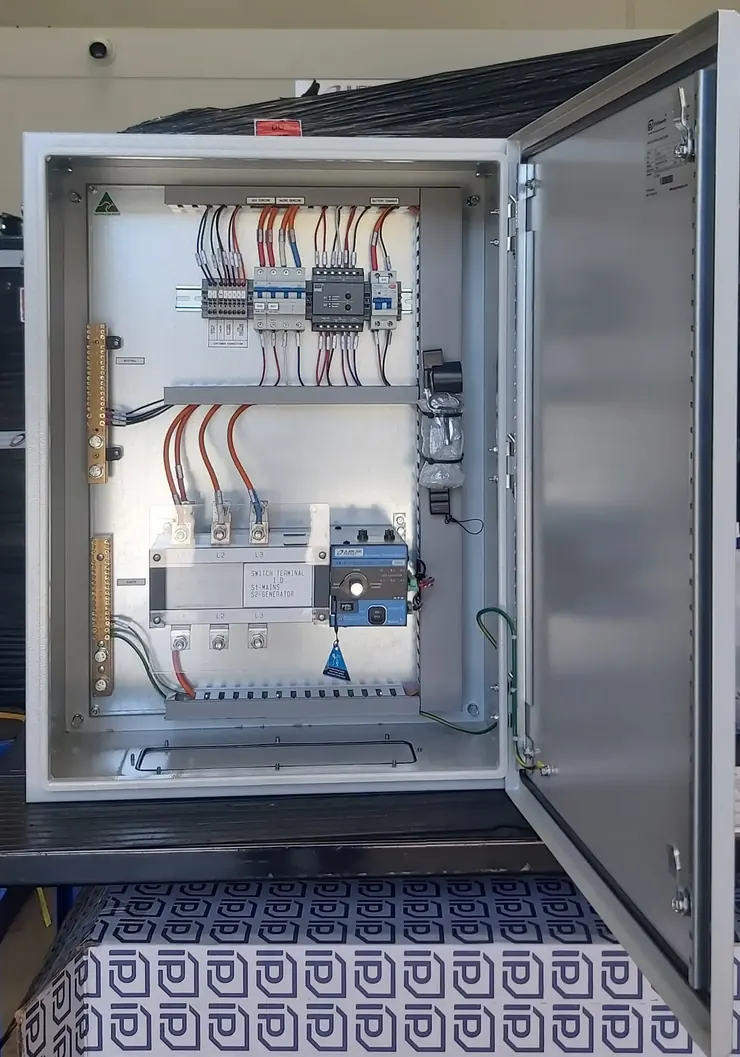
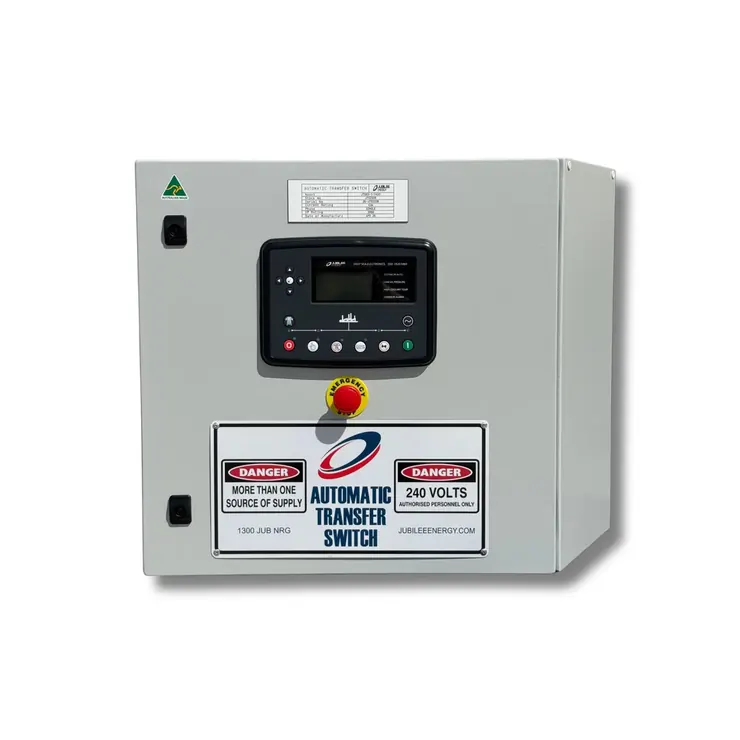
Not without the right equipment. A generator should only be connected to your home's circuits through a properly installed transfer switch, fitted by a licensed electrician, to avoid backfeeding power into the grid, which is dangerous for utility workers.
What happens if I don't prioritise correctly during an outage?
Overloading a generator or battery system can trip safety cutoffs, shorten equipment lifespan, or in worst cases cause damage to connected appliances. Having a clear priority list before an outage happens avoids scrambling decisions in the moment.
Should renters think about outage priorities differently to homeowners?
The core priorities stay the same, food safety, medical needs, and communication, but renters may have less flexibility to install permanent backup systems. Portable options and a solid appliance priority list are usually the more practical route.
More insights from us
Discover the latest in power generation technology.