Here's the practical reality: unboxing a new generator and firing it up straight away is one of the fastest ways to void a warranty or damage the unit. Before you ever rely on a generator during a blackout, there's a set process to follow, checking fuel and oil levels, testing wiring connections, confirming load settings, and running it under supervision before it's trusted to do the job unattended.
That process is called commissioning, and skipping it is a gamble most Australian homes and businesses can't afford to take.
TLDR: Commissioning is the structured check and test process that happens before a new generator is put into regular use. It confirms the unit is wired correctly, running safely, and set up to handle the loads you actually need. Skipping it risks equipment damage, voided warranties, and generators that fail exactly when you need them most.
What Commissioning Actually Involves
Commissioning isn't just a quick once-over. It's a structured sequence of checks that confirms every part of the generator, from the engine to the switchboard connection, is doing what it's supposed to do.
Physical and Mechanical Checks
- Confirming oil, coolant, and fuel levels are correct for first start
- Checking all bolts, mounts, and connections are tightened to spec
- Inspecting the exhaust and ventilation setup for safe clearance
- Verifying the fuel supply line and tank are free of contamination
Electrical and Control Checks
- Testing voltage output against the rated specifications
- Confirming the transfer switch or changeover switch operates correctly
- Checking earthing and safety switch functions
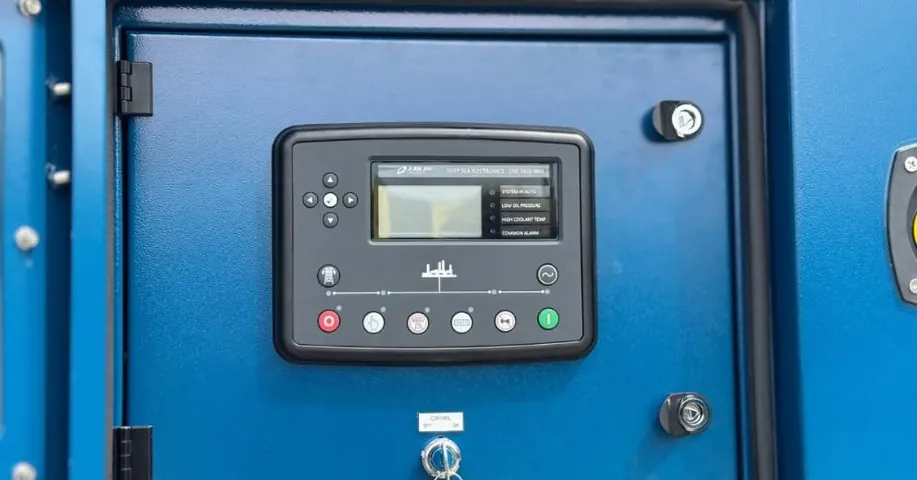
- Reviewing control panel readings during a live test run
Some of these checks overlap with what you'd see on a generator's control panel during normal operation, which is worth understanding in its own right if you're new to standby power systems.
How to Approach Commissioning Step by Step
If you're wondering what commissioning looks like in practice, it generally follows a logical sequence rather than a random checklist. Here's the order most technicians work through.
- Visual inspection of the unit for shipping damage or loose components
- Fluid checks and top-ups, including oil, coolant, and fuel
- Battery connection and charge verification
- Initial start-up under no load to confirm the engine runs smoothly
- Gradual load testing to check performance under real demand
- Switchover testing between mains power and generator power
- Final documentation and sign-off before handover
This sequence matters because each step builds on the last. Testing under load before confirming the engine idles cleanly, for example, can mask a problem that only shows up once real appliances are drawing power.
Risks of Skipping Generator Commissioning
It's tempting to think a brand new generator should just work out of the box. In reality, transport, storage, and installation all introduce variables that need checking before the unit is trusted with your home or business.
Mechanical and Electrical Risks
- Incorrect wiring causing voltage spikes or equipment damage
- Low oil or coolant levels leading to engine seizure on first run
- Loose fuel connections creating leak or fire risks
- Faulty earthing creating a shock hazard
Financial and Practical Risks
- Warranty claims denied due to lack of commissioning documentation
- Unexpected downtime if the generator fails during an actual outage
- Costly repairs from damage that could have been caught early
- Insurance complications if the installation wasn't properly certified
A generator that hasn't been commissioned properly might run fine for a few minutes on test, then fail under the actual load of a fridge, air conditioner, and a few power points all drawing at once. That's a different conversation to which appliances you should prioritise during an outage, but it starts with the same question: has the generator actually been proven to handle load reliably?
Who Should Carry Out Commissioning
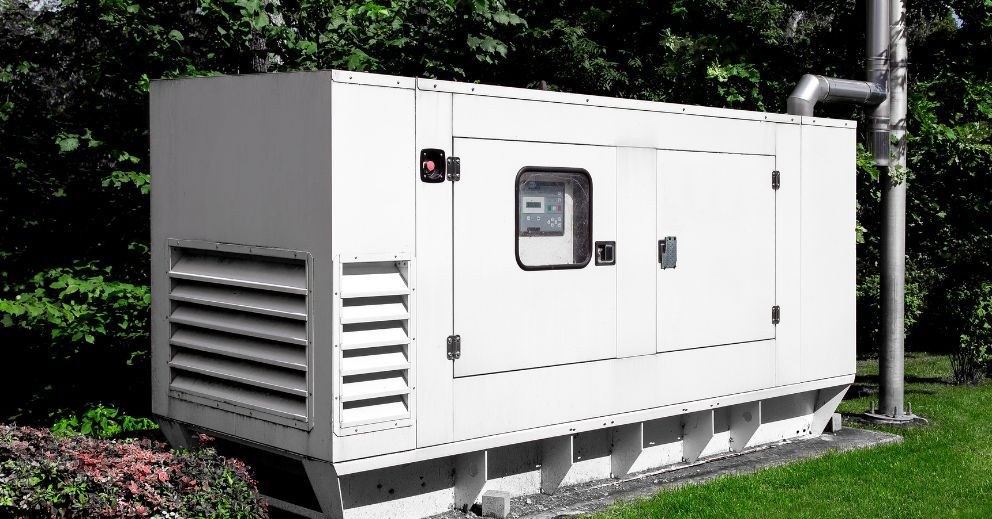
Commissioning a generator isn't a DIY weekend job, particularly for anything beyond a small portable unit. Standby generators connected to a switchboard involve electrical work that needs to be done by a licensed professional.
Signs You Need a Professional
- The generator is hardwired into your switchboard or mains supply
- You're installing a transfer switch for automatic changeover
- The unit is rated for commercial or industrial loads
- Local regulations require certified sign-off before use
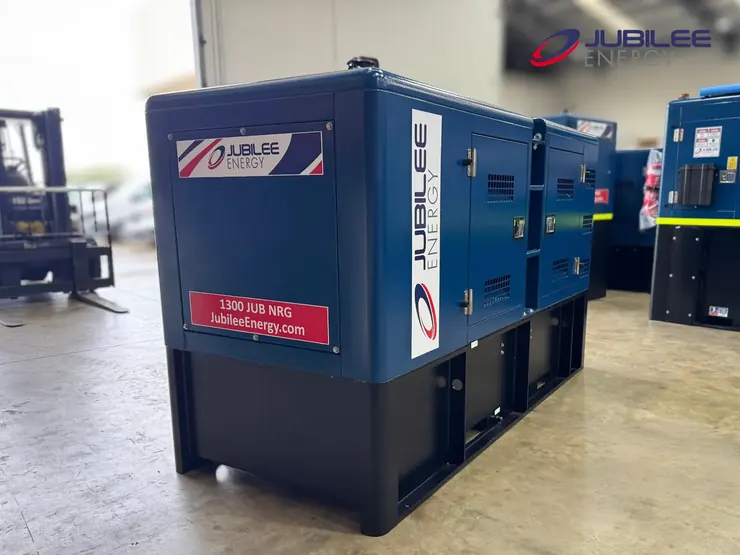
At Jubilee Energy, commissioning is treated as a core part of any generator installation, not an optional extra tacked on at the end. Getting it right from day one means the unit is ready to perform when it's actually needed, whether that's a short outage or an extended one.
Ongoing Testing After Commissioning
Commissioning covers the first start, but it isn't the end of the story. Generators need regular test runs afterwards to make sure they stay reliable over the years.
What Regular Testing Looks Like
- Monthly no-load test runs to keep the engine and battery in good condition
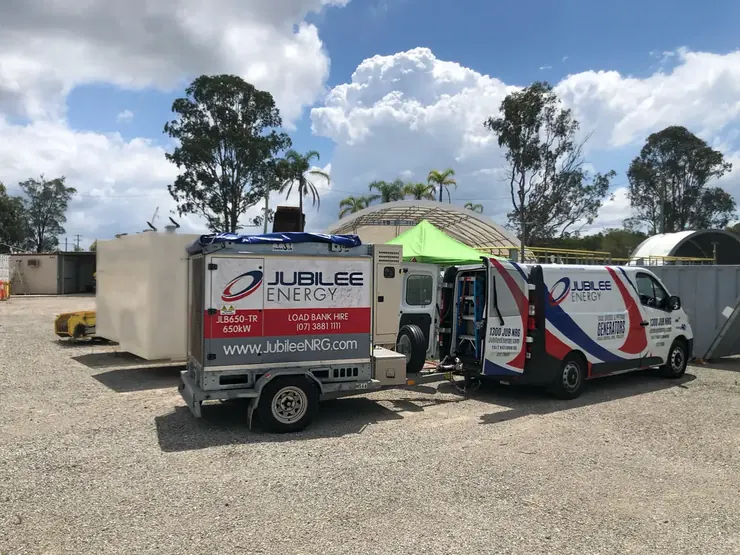
- Periodic load bank testing for larger standby systems
- Fuel quality checks, especially for units that sit idle for long stretches
- Annual servicing aligned with manufacturer recommendations
Think of commissioning as proving the generator works on day one, and ongoing testing as proving it still works six months or a year later. Both matter, and skipping either one increases the odds of a failure at the worst possible time.
Related reading
Getting Your Generator Ready for Its First Real Test
A generator is only as good as the setup behind it, and that starts long before the first outage. Jubilee Energy handles commissioning as a proper process rather than a formality, so your generator is genuinely ready when you need to rely on it.
If you've recently had a new unit installed or are planning one, it's worth getting the commissioning done properly from the start. Book a consultation today.
Key Takeaways
- Commissioning is a structured process, not a quick test run, that confirms a new generator is safe and ready to use
- It covers mechanical checks, electrical testing, and load testing in a specific order
- Skipping commissioning risks equipment damage, voided warranties, and unreliable performance during outages
- Standby generators connected to a switchboard should be commissioned by a licensed professional
- Regular testing after commissioning keeps the generator reliable long term
FAQ
How long does commissioning a new generator usually take?
It depends on the size and type of unit, but a straightforward residential standby generator commissioning typically takes a few hours in one visit. Larger or commercial systems with more complex switchboard integration can take longer, sometimes spread across a full day.
Can I use a generator at all before it's commissioned?
Running a small portable generator briefly to check it starts is generally fine, but connecting any standby generator to your home or business wiring before proper commissioning isn't recommended. Doing so risks damage to the unit and to connected appliances, and can create real safety hazards.
Does commissioning affect my generator's warranty?
Yes, in most cases. Many manufacturers require documented proof of professional commissioning before they'll honour a warranty claim, so it's worth checking the fine print when you purchase.
What documentation should I receive after commissioning is complete?
You should get a written record showing the checks performed, the readings recorded during testing, and confirmation the unit passed. Keep this paperwork with your generator manual, as you may need it for warranty claims or insurance purposes down the track.
Is commissioning different for a portable generator compared to a standby unit?
Yes, standby generators wired into a switchboard need far more thorough commissioning, including transfer switch testing and earthing checks, because they're integrated into your electrical system. Portable units still benefit from a basic check of fluids and a supervised first start, but the process is much simpler.
More insights from us
Discover the latest in power generation technology.