Generator fuel storage is a critical consideration for businesses, facilities, and property owners across Australia. While standard fuel tanks might seem adequate, there are specific circumstances where bunded fuel tanks become not just recommended, but legally required. Understanding when you need a bunded tank system can save you from costly compliance issues, environmental damage, and potential legal liability.
TLDR: Bunded fuel tanks are required when storing over 250 litres of fuel, near waterways, or in environmentally sensitive areas. They provide double-wall protection against fuel spills and are mandatory for most commercial generator installations across Australia.
What Are Bunded Fuel Tanks and How Do They Work?
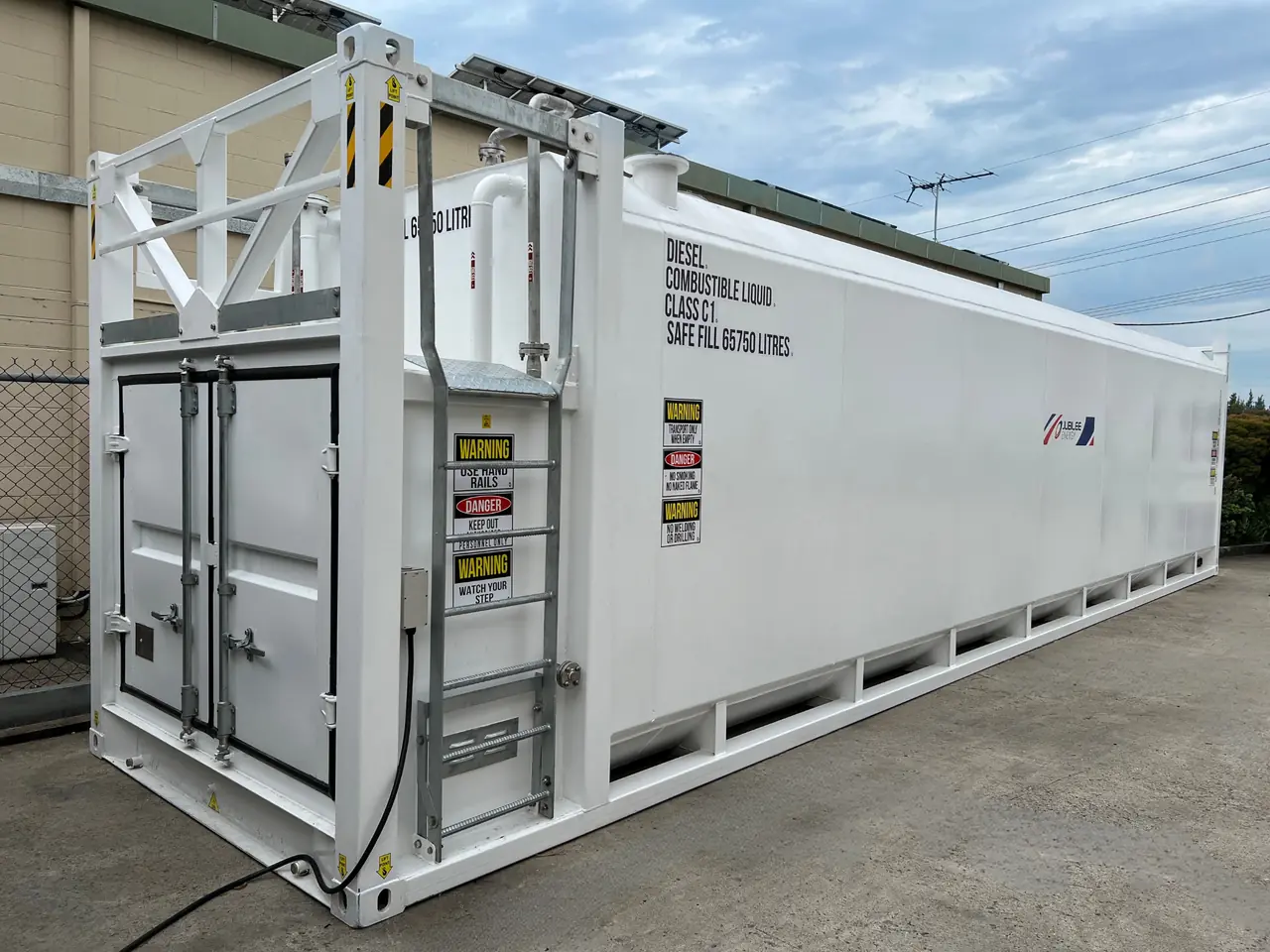
A bunded fuel tank features a double-wall design that creates a protective barrier around your fuel storage. The inner tank holds the fuel, while the outer bund (or containment wall) captures any potential leaks or spills. This secondary containment system prevents fuel from reaching the ground or waterways if the primary tank fails.
Key Components of Bunded Tank Systems
Modern bunded fuel tanks include several essential components that work together for complete protection. The primary tank stores your diesel or petrol, while the secondary containment bund typically holds 110% of the primary tank's capacity. This extra capacity ensures complete containment even during tank overfilling scenarios.
Most systems also include leak detection equipment, overfill protection devices, and secure fuel dispensing connections. These features provide early warning of potential issues and prevent accidental fuel release during routine operations.
Double-Wall Protection Benefits
The double-wall design offers significant advantages over single-wall tanks. If the inner tank develops a crack or corrosion damage, the fuel remains contained within the outer bund rather than leaking into the environment. This protection is particularly valuable for long-term fuel storage where tanks might sit unused for extended periods.
Additionally, bunded tanks often feature enhanced monitoring systems that can detect even small leaks before they become major problems. This early detection capability helps maintain compliance with environmental regulations while protecting your investment in stored fuel.
Legal Requirements and Australian Regulations
Australian environmental protection laws mandate bunded fuel storage in numerous situations. The specific requirements vary between states and territories, but common triggers include fuel volume thresholds, proximity to sensitive areas, and the type of facility being served.
Volume-Based Requirements
Most jurisdictions require bunded storage when fuel volumes exceed 250 litres. This threshold applies to both above-ground and underground storage systems. For generator applications, this limit is often reached quickly, as many commercial backup generators require substantial fuel reserves to operate during extended power outages.
Some areas have even lower thresholds, particularly in environmentally sensitive locations. Rural properties near water sources or urban areas with high groundwater tables may face stricter volume limits that require bunded storage for smaller fuel quantities.
Location-Specific Regulations
Environmental protection agencies across Australia impose additional requirements based on your storage location. Areas within 100 metres of waterways, wetlands, or drinking water sources typically mandate bunded storage regardless of fuel volume. Similarly, locations with high groundwater tables or permeable soils often require enhanced containment measures.
Commercial and industrial zones frequently have blanket requirements for bunded fuel storage, reflecting the higher environmental risks associated with business operations. These regulations recognise that commercial fuel users typically store larger quantities and operate equipment more frequently than residential users.
When Bunded Tanks Are Mandatory
Several specific scenarios trigger mandatory bunded fuel tank requirements across Australian jurisdictions. Understanding these triggers helps ensure compliance from the initial planning stages of your generator installation.
Commercial and Industrial Applications
Most commercial generator installations require bunded fuel storage due to the combination of fuel volumes and environmental risk factors. Shopping centres, hospitals, data centres, and manufacturing facilities typically store enough fuel to trigger volume-based requirements. Additionally, these facilities often operate in areas where environmental protection regulations are strictest.
Industrial sites face particular scrutiny due to their potential for multiple environmental impacts. A fuel spill at an industrial facility could compound other environmental risks, making bunded storage a critical safety measure rather than just a regulatory requirement.
Proximity to Water Sources
Fuel storage near rivers, lakes, creeks, or coastal areas almost universally requires bunded containment. This includes properties that might not appear to be near water but sit within the catchment area of important waterways. Many property owners are surprised to discover their location falls within protected buffer zones that trigger enhanced storage requirements.
Groundwater protection zones present similar challenges. Areas with shallow water tables or known aquifers often require bunded storage to prevent fuel contamination of drinking water supplies. These zones aren't always obvious from surface features, making professional assessment crucial during the planning process.
High-Risk Environmental Areas
Certain locations carry elevated environmental risks that mandate bunded fuel storage regardless of other factors. These include areas with steep slopes where spills could travel quickly, locations with highly permeable soils, and sites near environmentally sensitive vegetation or wildlife habitats.
Flood-prone areas represent another high-risk category where bunded tanks provide essential protection. During flood events, standard fuel tanks can be damaged or displaced, creating widespread environmental contamination. Bunded systems offer superior protection against flood-related fuel releases.
Risk Assessment and Environmental Considerations
Proper risk assessment forms the foundation of responsible fuel storage planning. Even when bunded tanks aren't legally required, they may still represent the best choice for your specific circumstances and long-term operational needs.
Soil and Groundwater Protection
Australian soils vary dramatically in their ability to contain fuel spills. Sandy soils allow rapid fuel migration toward groundwater, while clay soils may channel spills toward surface water. Understanding your local soil conditions helps determine whether bunded storage provides necessary protection beyond regulatory compliance.
Groundwater depth and flow direction also influence storage decisions. Shallow groundwater increases the risk of contamination from any fuel release, while groundwater flow toward sensitive receptors like drinking water wells or environmental areas elevates the consequences of potential spills.
Climate and Weather Factors
Australia's diverse climate conditions affect fuel storage risks in various ways. Areas prone to extreme weather events like cyclones, floods, or bushfires may benefit from bunded storage even when not strictly required. These events can damage fuel storage systems and create environmental emergencies that bunded tanks help prevent.
Seasonal rainfall patterns also influence risk levels. Areas with intense wet seasons face higher risks of fuel migration during storm events, while drought-prone regions may experience soil cracking that creates new contamination pathways.
Installation and Compliance Considerations
Proper installation of bunded fuel tank systems requires careful attention to regulatory requirements, site conditions, and long-term operational needs. Working with experienced professionals ensures your installation meets all applicable standards while providing reliable service.
Professional Assessment Requirements
Most jurisdictions require professional assessment and approval for bunded fuel tank installations. This typically involves environmental consultants, licensed tank installers, and sometimes soil engineers depending on site conditions. The assessment process identifies specific risks and ensures your chosen system addresses all relevant concerns.
Professional assessment also helps optimise your installation for long-term performance. Experts can recommend specific tank materials, sizes, and configurations that suit your local conditions while meeting regulatory requirements. This upfront investment in proper design prevents costly modifications or compliance issues later.
Ongoing Maintenance and Monitoring
Bunded fuel tanks require regular maintenance and monitoring to maintain their protective capabilities. This includes periodic leak detection testing, visual inspections of the bund integrity, and fuel quality monitoring to prevent tank corrosion from contaminated fuel.
Many installations also require formal monitoring programs that document tank condition and fuel storage practices. These programs help demonstrate ongoing compliance with environmental regulations while identifying potential issues before they become serious problems.
Documentation and Record Keeping
Proper documentation forms a crucial part of bunded tank compliance. This includes installation records, inspection reports, maintenance logs, and any environmental monitoring data. Regulatory agencies may request these records during inspections or following any environmental incidents.
Good record keeping also supports insurance claims and demonstrates due diligence in environmental protection. Many insurance policies require specific documentation practices for fuel storage installations, particularly in high-risk locations.
Cost Considerations and Long-Term Value
While bunded fuel tanks represent a higher upfront investment than standard storage, they often provide superior long-term value through reduced risk, lower insurance costs, and enhanced operational reliability.
Initial Investment vs Risk Mitigation
Bunded tank systems typically cost 30–50% more than equivalent single-wall installations. However, this additional cost pales in comparison to potential cleanup costs, regulatory penalties, and business disruption that could result from a fuel spill. Environmental remediation costs can easily reach hundreds of thousands of dollars, making bunded storage a prudent investment.
Insurance considerations also favour bunded installations. Many insurers offer reduced premiums for properties with enhanced fuel storage systems, recognising the lower environmental liability risks. Some insurers even require bunded storage for coverage in high-risk locations.
Operational Benefits
Beyond regulatory compliance, bunded tanks often provide operational advantages that justify their cost. Enhanced leak detection capabilities provide early warning of tank problems, allowing repairs before fuel loss becomes significant. This protection is particularly valuable for remote installations where regular inspection might be challenging.
Bunded systems also tend to have longer service lives due to their enhanced protection against environmental factors. The outer bund shields the primary tank from UV exposure, temperature extremes, and physical damage that can shorten tank life.
Related reading
Professional Generator and Fuel Storage Solutions
Navigating fuel storage regulations and selecting appropriate bunded tank systems requires expertise in both environmental compliance and generator technology. At Jubilee Energy, we provide comprehensive generator solutions that include proper fuel storage planning and installation across Australia.
Our experienced team understands the complex regulatory landscape surrounding fuel storage and can help determine whether your generator installation requires bunded tanks. We work with certified installers and environmental consultants to ensure your fuel storage system meets all applicable requirements while supporting reliable generator operation.
Contact us today to discuss your generator fuel storage requirements and discover how proper planning can protect both your investment and the environment.
Key Takeaways
- Bunded fuel tanks are legally required for most fuel storage over 250 litres and in environmentally sensitive locations
- Commercial generator installations typically require bunded storage due to fuel volumes and environmental risk factors
- Professional risk assessment helps determine requirements and optimise system design for your specific location
- Proper installation and ongoing maintenance are essential for regulatory compliance and system performance
- Higher upfront costs are typically offset by reduced environmental liability and potential insurance benefits
- Documentation and record keeping form crucial parts of compliance and risk management
More insights from us
Discover the latest in power generation technology.