Setting up a generator properly isn't just about connecting it to your home's electrical system. The foundation, protection, and placement of your generator are crucial elements that determine its performance, longevity, and safety. Whether you're installing a standby generator for emergency power or a portable unit for regular use, understanding the basics of concrete pads, protective enclosures, and strategic placement will save you headaches down the track.
TLDR: Proper generator setup requires a stable concrete foundation, weather protection, and strategic placement that considers noise, ventilation, and accessibility. Getting these fundamentals right ensures reliable operation and extends your generator's lifespan.
Why Concrete Pads Matter for Generator Installation
A concrete pad serves as the foundation for your generator installation, providing stability and protection that no other surface can match. This isn't just about having a level surface to place your equipment.
Structural Support and Stability
Generators produce significant vibration during operation, especially larger standby units. Without a proper concrete foundation, this vibration can cause the unit to shift, creating alignment issues with fuel lines, electrical connections, and exhaust systems. A well-poured concrete pad absorbs these vibrations and keeps everything in place.
The pad also prevents your generator from sinking into soft ground during wet weather. Australian conditions can be particularly challenging, with periods of heavy rain followed by dry spells that cause ground movement.
Protection from Ground Moisture
Concrete pads elevate your generator above ground level, protecting it from moisture, flooding, and ground-level debris. This elevation is particularly important in areas prone to seasonal flooding or where morning dew regularly accumulates.
The thermal mass of concrete also helps regulate temperature fluctuations that could affect your generator's performance, especially during extreme weather conditions common across Australia.
Compliance and Safety Requirements
Most manufacturer warranties require generators to be installed on approved foundations. Insurance companies often have similar requirements, and local councils may mandate concrete pads for permanent generator installations.
A properly installed concrete pad also provides a stable platform for maintenance work, making it safer for technicians to service your equipment.
Generator Enclosures: Protection and Noise Control
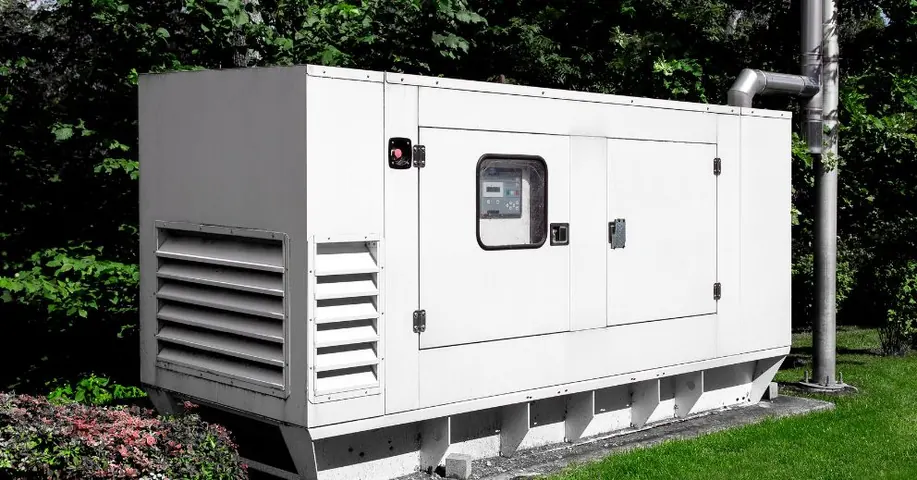
Generator enclosures serve multiple purposes beyond simple weather protection. They're an essential component of any professional installation, particularly in residential areas where noise and aesthetics matter.
Weather Protection Benefits
Australian weather can be harsh on outdoor equipment. UV radiation, salt air in coastal areas, driving rain, and temperature extremes all take their toll on generators. A quality enclosure shields your investment from these elements while maintaining proper ventilation for safe operation.
Enclosures also prevent debris like leaves, branches, and dust from accumulating in and around your generator. This is particularly important in bushfire-prone areas where ember protection becomes a safety consideration.
Noise Reduction Solutions
Modern generator enclosures incorporate sound-dampening materials that significantly reduce operational noise. This is crucial for maintaining good relationships with neighbours and complying with local noise regulations.
The enclosure design includes strategic ventilation openings that maintain airflow while minimising noise escape. Some premium enclosures can reduce generator noise by 10-15 decibels, making a substantial difference in perceived volume.
Security and Theft Prevention
Generator theft is unfortunately common, particularly for portable units. Enclosures provide a deterrent and can be designed with locking mechanisms to secure your equipment when not in use.
Even for permanently installed standby generators, enclosures protect valuable components from tampering and vandalism.
Strategic Generator Placement Considerations
Where you place your generator affects everything from performance to compliance with local regulations. Getting the location right from the start prevents costly relocations later.
Clearance Requirements and Safety Zones
Generators require specific clearances on all sides for safe operation and maintenance access. These aren't suggestions but mandatory requirements that vary by generator size and fuel type.
Natural gas and LPG generators typically need at least 1.5 metres clearance from windows, doors, and air intake vents. Diesel generators may have different requirements, particularly regarding exhaust positioning.
Overhead clearances are equally important, with most installations requiring at least 2 metres of clear space above the unit for proper ventilation and service access.
Fuel Supply Accessibility
Your generator's location must accommodate fuel supply lines, whether that's natural gas, LPG, or diesel. Natural gas connections require professional installation with specific routing requirements to meet safety standards.
For LPG systems, consider tank placement and refill access. Diesel generators need consideration for fuel delivery trucks and storage tank positioning.
Electrical Connection Logistics
The distance between your generator and electrical panel affects installation costs and complexity. Longer cable runs require larger conductors and may need additional protection measures.
Transfer switch placement is another consideration, as it needs to be accessible for maintenance while remaining protected from weather.
Installation Best Practices and Common Mistakes
Proper installation goes beyond just following manufacturer instructions. Understanding common pitfalls helps ensure your generator setup performs reliably for years to come.
Concrete Pad Specifications
The concrete pad should extend at least 150mm beyond the generator's footprint on all sides. This provides a stable work platform and prevents water from pooling around the unit's base.
Pad thickness depends on generator size and soil conditions, but 100mm is typically minimum for residential installations. The concrete should be properly reinforced and include provisions for anchor bolts if required by the manufacturer.
Proper drainage around the pad prevents water accumulation and ice formation in colder regions. A slight slope away from the generator helps direct water runoff.
Ventilation and Airflow Management
Generators need substantial airflow for cooling and combustion. Enclosures must be designed to provide adequate ventilation without creating noise issues or allowing weather infiltration.
Hot air exhaust should be directed away from air intake areas to prevent recirculation. This is particularly important in confined spaces or when multiple generators are installed in proximity.
Maintenance Access Planning
Regular maintenance is essential for generator reliability, so your installation should provide easy access for routine servicing. This includes oil changes, filter replacements, and general inspections.
Consider the space needed for equipment like oil drain pans, replacement parts, and diagnostic tools. Adequate lighting in the generator area also makes maintenance safer and more efficient.
Compliance and Regulatory Considerations
Generator installations must comply with various Australian standards and local regulations. Understanding these requirements prevents costly modifications after installation.
Australian Standards and Codes
AS/NZS 4777 governs the connection of generators to electricity networks, while AS/NZS 3000 (the Wiring Rules) covers electrical installation requirements. These standards specify everything from earthing requirements to protection devices.
Building codes may also apply, particularly for permanent installations that require development approval. Some areas have specific requirements for generator installations in bushfire-prone zones.
Local Council Requirements
Many councils require permits for generator installations, especially for units over certain power ratings. Noise restrictions are common, with specific limits on operational hours and sound levels.
Setback requirements from property boundaries vary by location and may affect where you can legally place your generator. Some areas also have restrictions on fuel storage quantities.
Utility Company Notifications
Grid-connected generators require notification to your electricity distributor. This ensures proper isolation during power outages and prevents dangerous back-feeding into the network.
The connection process typically involves technical assessments and may require specific protection equipment to meet utility standards.
Cost Considerations and Budgeting
Understanding the full scope of generator setup costs helps you budget appropriately and avoid surprises during installation.
Foundation and Site Preparation Costs
Concrete pad costs vary based on size, site access, and local labour rates. Factor in excavation, formwork, concrete supply, and finishing work. Difficult access sites or poor soil conditions can significantly increase these costs.
Site preparation may also include trenching for utilities, grading for drainage, and removal of existing structures or landscaping.
Enclosure and Protection Systems
Quality enclosures represent a significant investment but provide long-term value through equipment protection and noise reduction. Custom enclosures cost more than standard sizes but may be necessary for specific site requirements.
Consider the total cost of ownership, including maintenance of the enclosure itself and potential energy savings from improved generator efficiency.
Professional Installation vs DIY Considerations
While some aspects of generator setup might seem suitable for DIY installation, electrical connections and gas fitting require licensed professionals in Australia. Attempting unlicensed work can void warranties and create safety hazards.
Professional installation also ensures compliance with all applicable standards and regulations, potentially saving money on future modifications or corrections.
Maintenance and Long-term Care
Proper setup makes ongoing maintenance easier and more effective, extending your generator's operational life and maintaining reliability.
Regular Inspection Requirements
Monthly visual inspections should check for signs of wear, corrosion, or damage to the generator, enclosure, and surrounding area. Look for oil leaks, loose connections, and proper ventilation clearances.
The concrete pad should be inspected for cracks or settling that could affect generator alignment. Address minor issues promptly to prevent major problems.
Seasonal Maintenance Tasks
Australian seasons present different challenges for generator systems. Summer heat requires attention to cooling systems and ventilation, while winter may bring condensation issues and fuel system concerns.
Storm seasons demand checks of enclosure integrity and drainage systems. Bushfire seasons may require additional ember protection measures and evacuation planning.
Professional Service Scheduling
Regular professional servicing maintains warranty coverage and ensures reliable operation when you need it most. Service intervals vary by generator type and usage patterns, but annual professional inspections are typically minimum requirements.
Establish relationships with qualified service providers before you need emergency repairs. This ensures faster response times during critical situations.
Related reading
Professional Generator Installation Services
Getting your generator setup right from the start requires expertise in electrical systems, construction, and regulatory compliance. At Jubilee, we understand that proper foundation work, enclosure selection, and strategic placement are just as important as the generator itself.
Our experienced team handles every aspect of generator installation, from concrete pad preparation to final commissioning. We work with leading manufacturers and use only approved materials to ensure your installation meets all Australian standards and local requirements.
Whether you're planning a standby generator for home backup power or need a portable solution for your business, we'll help you choose the right setup for your specific needs. Our comprehensive service includes site assessment, permit assistance, professional installation, and ongoing maintenance support.
Contact Jubilee today to discuss your generator installation requirements.
Key Takeaways
- Concrete pads provide essential stability, moisture protection, and compliance with warranty requirements
- Quality enclosures protect against weather, reduce noise, and enhance security for your generator investment
- Strategic placement considers clearances, fuel supply, electrical connections, and maintenance access
- Professional installation ensures compliance with Australian standards and local regulations
- Proper setup reduces long-term maintenance costs and extends equipment lifespan
- Regular inspections and professional servicing maintain reliability and warranty coverage
More insights from us
Discover the latest in power generation technology.