
When the power goes out, having a reliable backup generator can be the difference between comfort and chaos. But where you install your generator matters just as much as which model you choose. Whether you're considering an indoor or outdoor setup, understanding the key factors will help you make the right decision for your home or business.
TLDR: Outdoor generator installations are generally safer and more common due to ventilation requirements, while indoor setups require extensive safety measures and proper ventilation systems. The choice depends on your space, budget, and specific power needs.
Understanding Generator Installation Options
Generator installation isn't a one-size-fits-all solution. The location you choose affects everything from safety requirements to maintenance schedules. Most homeowners face this decision without fully understanding the implications of each option.
What Defines Indoor Generator Installation
Indoor generator installation means placing your unit inside a building structure, typically in a basement, garage, or dedicated utility room. This setup requires sophisticated ventilation systems and strict adherence to safety codes.
The unit needs proper exhaust systems to prevent carbon monoxide buildup. You'll also need adequate clearance around the generator for maintenance and heat dissipation.
For Australian safety guidance on carbon monoxide risks, refer to Safe Work Australia.
Outdoor Generator Installation Basics
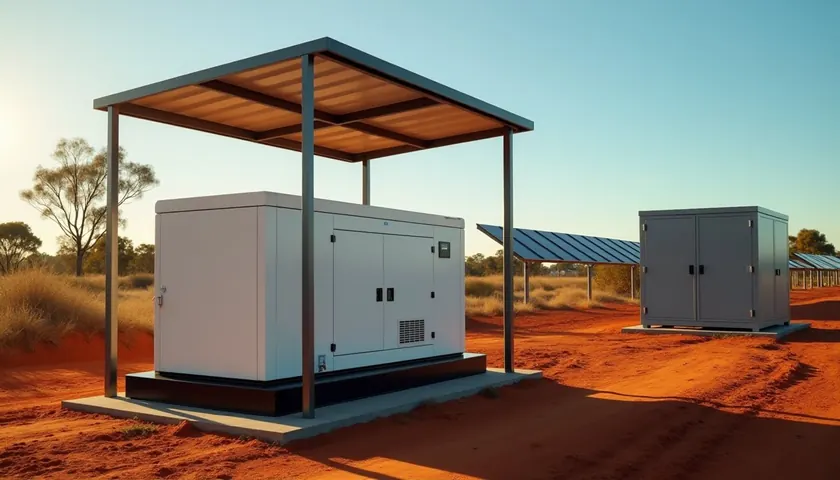
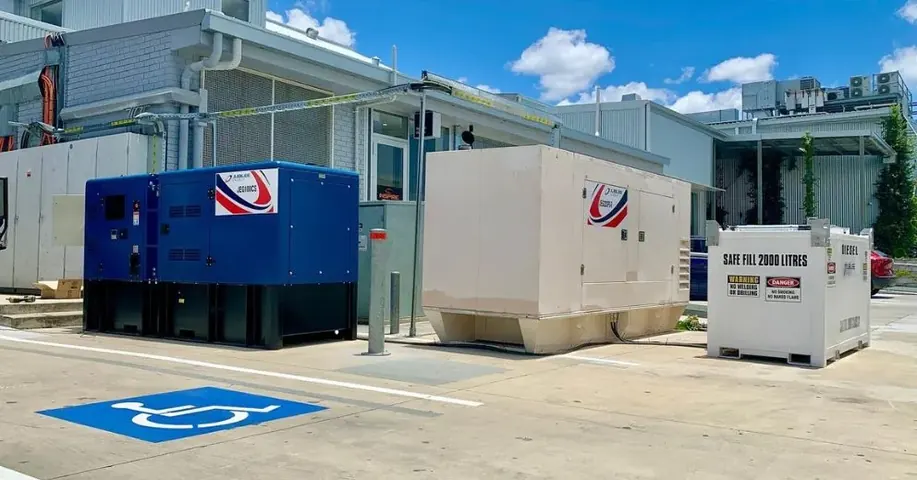
Outdoor installations place the generator outside your home, usually on a concrete pad near your electrical panel. These setups are more straightforward but still require weatherproofing and security considerations.
Most residential generators you see are outdoor units. They're designed to withstand weather conditions while providing reliable power during outages.
Safety Considerations for Each Installation Type
Safety should be your top priority when choosing between indoor and outdoor generator placement. Each option comes with distinct risks that you need to understand and mitigate.
Indoor Installation Safety Requirements
Indoor generators pose significant carbon monoxide risks if not properly ventilated. You'll need professional-grade exhaust systems that vent dangerous gases outside your home.
Fire safety becomes more complex indoors. The generator needs adequate clearance from combustible materials, and you'll need proper fire suppression systems nearby.
Noise levels also matter more indoors. Even with sound dampening, indoor generators can create uncomfortable noise levels for occupants.
Outdoor Installation Safety Factors
Outdoor generators naturally ventilate carbon monoxide, making them inherently safer. However, you still need to consider exhaust placement to avoid gas accumulation near windows or air intakes.
Weather protection becomes the primary safety concern. Your generator needs weatherproof housing and proper drainage to prevent water damage or electrical hazards.
Security is another outdoor consideration. Generators are valuable targets for theft, so you'll need appropriate security measures in place.
For electrical safety around outdoor equipment, visit Electrical Safety Office Queensland.
Installation Requirements and Complexity
The complexity of your generator installation varies dramatically between indoor and outdoor setups. Understanding these requirements helps you budget appropriately and choose qualified installers.
Indoor Installation Complexity
Indoor installations require extensive ventilation work. You'll need exhaust pipes, fresh air intakes, and possibly mechanical ventilation systems to meet safety codes.
Electrical work becomes more complex indoors. You'll need proper grounding, GFCI protection, and careful routing of electrical connections through building structures.
Building permits are typically more involved for indoor installations. Local councils often have stricter requirements for indoor generator placement.
Australian building compliance information is available through the Australian Building Codes Board.
Outdoor Installation Process
Outdoor installations start with preparing a proper foundation. Most generators need a concrete pad that's level and properly sized for the unit.
Electrical connections are generally simpler outdoors, though you still need weatherproof components and proper grounding systems.
Gas line connections follow similar principles whether indoor or outdoor, but outdoor installations often have more flexible routing options.
Cost Factors and Budget Considerations
Your installation choice significantly impacts both upfront costs and ongoing expenses. Let's break down the financial implications of each option.
Indoor Installation Costs
Indoor installations typically cost more due to ventilation requirements. You'll pay for exhaust systems, fresh air intakes, and potentially structural modifications to accommodate the equipment.
Labour costs are higher for indoor work. The complexity of routing ventilation and electrical systems through existing structures takes more time and expertise.
Ongoing maintenance costs can be higher indoors due to more complex ventilation systems that need regular inspection and cleaning.
Outdoor Installation Economics
Outdoor installations generally have lower upfront costs. The main expenses are the concrete pad, weatherproof housing, and standard electrical connections.
Maintenance access is easier outdoors, potentially reducing service call costs. Technicians can work more efficiently when they don't need to navigate indoor spaces.
However, outdoor units may face higher replacement costs over time due to weather exposure, even with proper protection.
Performance and Maintenance Differences
Where you install your generator affects how well it performs and how much maintenance it requires. These factors impact your long-term satisfaction with the system.
Indoor Generator Performance
Indoor generators operate in more controlled environments. Temperature fluctuations are minimal, which can extend equipment life and improve reliability.
However, indoor units may struggle with heat dissipation if ventilation is inadequate. This can lead to reduced performance during extended outages.
Noise levels can be better controlled indoors with proper sound dampening, making the generator less disruptive to daily life.
Outdoor Generator Performance
Outdoor generators are designed to handle temperature extremes and weather conditions. They typically have robust cooling systems and weatherproof components.
Performance can vary with weather conditions. Extreme cold may affect starting reliability, while extreme heat can trigger thermal protection systems.
Maintenance is generally easier outdoors with better access for routine servicing and repairs.
Choosing the Right Option for Your Situation
The best choice depends on your specific circumstances, local regulations, and personal preferences. Consider these factors when making your decision.
When Indoor Installation Makes Sense
Indoor installation might be right if you have adequate basement or utility room space with existing ventilation infrastructure. Some commercial applications also benefit from indoor placement for security reasons.
If noise is a major concern and you can meet ventilation requirements, indoor placement might offer better sound control.
Areas with extreme weather conditions or high theft rates might favour indoor installations despite the added complexity.
When Outdoor Installation Is Preferred
Most residential applications benefit from outdoor installation. It's simpler, safer, and more cost-effective for typical homeowner needs.
If you have suitable outdoor space and reasonable security, outdoor placement offers the best balance of safety, cost, and performance.
Outdoor installation is often the only viable option for larger generators that produce too much heat or noise for indoor placement.
Local Regulations and Compliance
Australian regulations vary by state and local council, but certain principles apply nationwide. Understanding these requirements prevents costly mistakes and ensures safe operation.
Building Code Requirements
Indoor generators must comply with strict ventilation codes. These requirements often make indoor installation impractical for residential applications.
Outdoor generators have setback requirements from property lines, windows, and air intakes. Your local council can provide specific measurements for your area.
Both installation types require electrical permits and inspections. Working with licensed professionals ensures compliance with all relevant codes.
Noise Regulations
Many councils have noise limits that affect generator placement. Outdoor units may need sound enclosures to meet these requirements, especially in residential areas.
Indoor installations can help with noise compliance but must still meet all safety requirements. The reduced noise benefit isn't worth compromising on safety.
Professional Installation Importance
Regardless of whether you choose indoor or outdoor installation, professional installation is essential. The complexity of modern generator systems requires qualified expertise.
Why Professional Installation Matters
Generator installation involves electrical work, gas connections, and safety systems that require licensed professionals. DIY installation can void warranties and create safety hazards.
Professional installers understand local codes and permit requirements. They ensure your installation meets all safety and legal requirements from the start.
Proper installation affects performance and longevity.
Choosing the Right Installation Team
Look for installers with specific generator experience, not just general electrical contractors. Generator installation has unique requirements that specialised technicians understand better.
Verify licensing and insurance coverage. Your installer should carry appropriate trade licenses and liability insurance for the work they're performing.
Ask about warranty coverage and ongoing service support. The best installers offer comprehensive service packages that protect your investment long-term.
Related reading
Get Professional Generator Installation Services
Choosing between indoor and outdoor generator installation is a significant decision that affects your safety, costs, and long-term satisfaction. At Jubilee Energy, we help Australian homeowners and businesses navigate these choices with expert guidance and professional installation services.
Don't leave your backup power to chance. Contact Jubilee today for a comprehensive consultation on your generator installation options. We'll help you make the right choice and ensure your installation is safe, compliant, and reliable when you need it most.
Whether you're considering your first generator or upgrading an existing system, our team is ready to provide the expertise and service you deserve. Visit us at or call us to discuss your generator installation needs with professionals who understand what matters most.
Key Takeaways
- Outdoor generator installation is safer, simpler, and more cost-effective for most residential applications
- Indoor installation requires extensive ventilation systems and higher upfront costs but offers better weather protection
- Safety should be your primary consideration, with carbon monoxide prevention being critical for any installation
- Professional installation is essential regardless of location choice to ensure safety and compliance
- Local regulations vary significantly, so consult with qualified installers who understand your area's requirements
- Maintenance access and ongoing costs favour outdoor installations for most homeowners
More insights from us
Discover the latest in power generation technology.