Picking the right diesel generator is a big decision. Whether you need backup power for your home, business, an outdoor event, or something else, the right choice can make all the difference.
With so many options on the market, it can be overwhelming trying to figure out which one is right for you. This guide will help you understand the key things to consider when choosing the perfect diesel generator for your needs.
Summary: Choosing the right diesel generator comes down to understanding what you need to power, how long you need it to run, and where it will be used. Factors such as power output, portability, noise level, fuel efficiency, installation requirements, and safety features all play an important role in selecting the best generator for your situation. Whether it is for home backup, business operations, industrial use, or outdoor events, taking the time to evaluate your needs and the available generator types will help ensure you get a reliable and cost-effective solution.
What Do You Need It For?
The first and most important step is knowing exactly what you’ll use the generator for. Have a think about the appliances, tools, or systems you need to power. Then, add up the total wattage they require, including any extra power needed to start motor-driven devices like air conditioners or refrigerators.
Diesel generators come in different sizes, measured in kilowatts (kW) or kilovolt-amperes (kVA). We recommend choosing one with a little extra capacity so it can handle unexpected loads or future needs.
How To Choose Between Standby, Portable Or Prime
There are three main types of diesel generators, each designed for different situations. Understanding the different categories will help narrow your options.
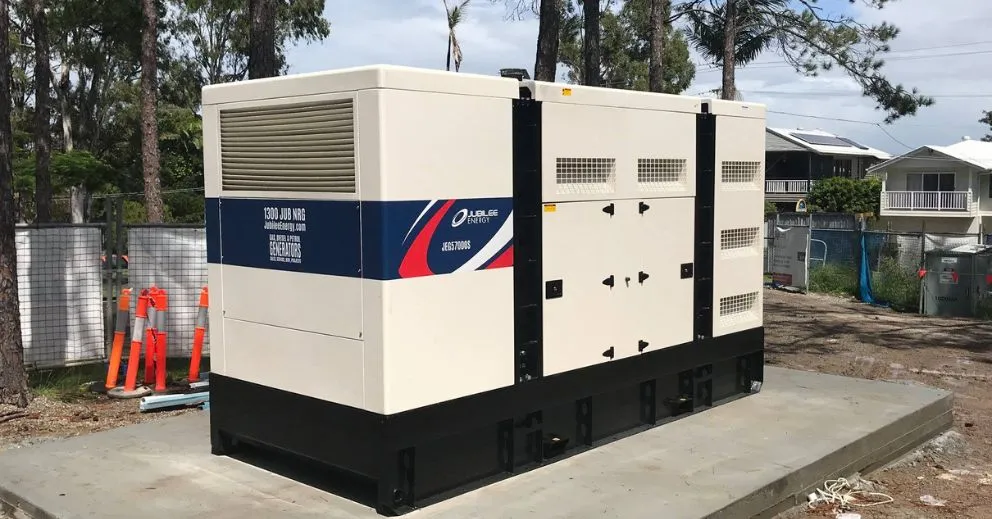
- Standby Generators: Perfect for homes or businesses, these are installed permanently and automatically kick in during a power outage.
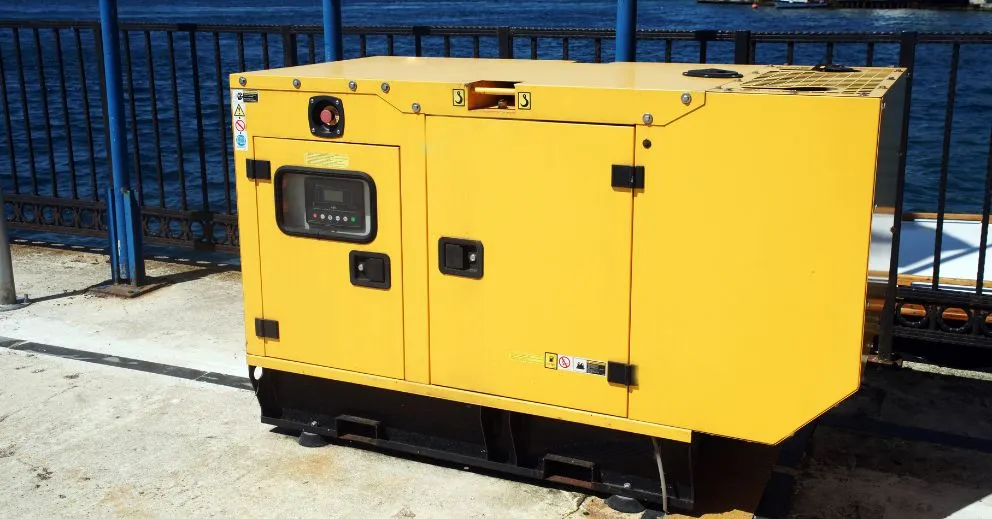
- Portable Generators: Smaller and easier to move around, these are great for events, construction sites, or temporary power needs.
- Prime Power Generators: Built for long-term use, these are ideal for industrial applications or locations without grid power.
How Long Should It Run?
Diesel generators are fuel-efficient, but you’ll still need to think about runtime. Check the fuel tank size and how long it can run before needing a refill.
For backup power, we recommend looking for a generator that can run 8–10 hours on one tank.
For industrial or remote use, consider a larger fuel tank or a system that can supply fuel continuously.
How Noisy Will It Be?
Noise might not seem like a big deal, until it is! If you’re using the generator in a residential area or at an event, quieter models are worth considering.
Generators are measured in decibels (dB), and quieter models are ideal for residential areas, events, or locations with noise restrictions
If noise control is a priority, look for models specifically designed for low noise output.
Is It Easy To Move or Install?
Smaller generators are portable and easy to move, while larger ones need a permanent spot. Make sure you have enough space for installation and consider things like ventilation, exhaust, and maintenance access. If you’re getting a large standby generator, professional installation is usually the way to go.
Is It Safe and Reliable?
Safety is super important when operating any generator. Look for models with built-in safety features such as automatic shutdown for low oil pressure, overload protection, and temperature controls.
Reliability is just as important, especially for emergencies. Stick to trusted brands with a good reputation for performance and durability.
Does It Have Any Extra Features?
Some generators come with helpful extras like digital control panels, remote monitoring, or the ability to connect multiple units for more power. You might also find options like weatherproof enclosures or custom fuel systems to fit your specific needs.
Consider Your Budget and Long-Term Costs
It’s not just about the upfront price. Think about long-term costs like fuel, maintenance, and repairs. Spending a little more on a high-quality, fuel-efficient generator can save you money in the long run.
Is It Compliant With Local Rules?
In many regions, there are strict regulations governing generator installation, emissions, and noise levels. Check if there are any local rules about generator installation, emissions, or noise levels. Make sure your generator meets these standards and get any necessary permits before installing it.
Let Jubilee Energy Help You Find the Perfect Generator
Choosing the right diesel generator doesn’t have to be stressful. At Jubilee Energy, we offer a wide range of high-quality generators and expert support to make sure you’re covered when it matters most.
Contact our friendly team today to find the perfect generator for your needs and budget. With Jubilee Energy, you’ll get dependable power and peace of mind.
Key Takeaways
- Determine your power needs by adding up the wattage of the equipment you want to run.
- Choose the right generator type: Standby (automatic backup), Portable (moveable), or Prime Power (long-term continuous use).
- Check runtime and fuel tank capacity to ensure the generator can operate for the required duration.
- Consider noise levels, especially for residential areas or events.
- Think about installation space, ventilation, access, and whether professional installation is needed.
FAQ
How do I calculate the size of the generator I need?
Add the wattage of all equipment you plan to run at the same time. Remember that some appliances, like air conditioners and refrigerators, need extra power to start. It is usually best to choose a generator with slightly more capacity than your minimum requirement.
What is the difference between kW and kVA?
kW (kilowatts) measures actual working power, while kVA (kilovolt-amperes) measures apparent power. For most practical purposes, kW is what you will use to understand how many appliances or systems the generator can handle.
Are diesel generators better than petrol generators?
Diesel generators are typically more fuel-efficient, longer lasting, and better suited for heavy use. Petrol generators can be quieter and more compact, making them suitable for lighter, occasional use. The best choice depends on your usage.
How often should a diesel generator be serviced?
Diesel generators generally require servicing every 6 to 12 months, or after a set number of operating hours. Regular maintenance helps ensure reliability during emergencies and extends the generator’s lifespan.
Can a diesel generator run continuously?
Prime power diesel generators are designed for continuous operation, while standby generators are built for occasional use during power outages. Always check the manufacturer’s guidelines for recommended runtime.
More insights from us
Discover the latest in power generation technology.