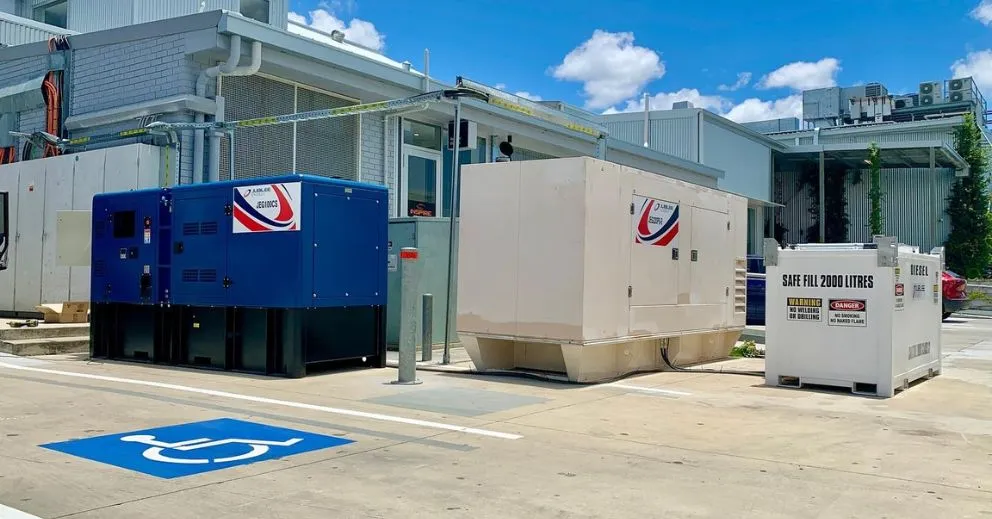

Backup generators are designed to perform instantly when the power goes out. But there’s one critical factor many facilities overlook: the condition of the diesel fuel sitting in the tank.
Unlike vehicles that cycle through fuel regularly, backup power systems often store diesel for long periods. Over time, that fuel can degrade, become contaminated and compromise generator performance.
Diesel fuel polishing is a preventative maintenance process that keeps stored fuel clean, stable and ready to perform when you need it most.
Summary: Diesel fuel polishing removes water, microbial growth, sludge and contaminants from stored diesel fuel. For backup power systems, where fuel may sit unused for extended periods, polishing ensures reliable generator performance during outages. Clean fuel reduces the risk of engine failure, clogged filters and costly downtime.
What Is Diesel Fuel Polishing?
Diesel fuel polishing is a filtration and cleaning process that circulates fuel through specialised equipment to remove:
- Water
- Sediment and particulates
- Microbial contamination
- Sludge build-up
- Oxidised fuel compounds
The fuel is pumped from the storage tank, passed through high-efficiency filtration systems and returned clean and stabilised.
It’s essentially a deep clean for your fuel supply.
Why Stored Diesel Fuel Degrades Over Time
Diesel fuel isn’t immune to ageing.
When fuel sits in storage tanks for extended periods, especially in standby generator systems, it can deteriorate due to:
Water Contamination
Condensation forms inside tanks as temperatures fluctuate. Water settles at the bottom, creating an environment for microbial growth.
Microbial Growth
Bacteria and fungi thrive at the interface between water and diesel. This creates sludge that clogs filters and damages injectors.
Oxidation and Sediment Formation
Exposure to air causes chemical changes in diesel, leading to varnish, gums and particulate matter.
Tank Sediment
Rust, dirt and debris can accumulate inside older tanks.
All of these issues compromise generator reliability.
Why Fuel Quality Is Critical for Backup Power Systems
Backup generators often operate during emergencies, power outages or critical operational events.
When the system starts, it must:
- Reach full load quickly
- Deliver stable voltage
- Operate continuously without interruption
Contaminated fuel can cause:
- Clogged filters
- Injector damage
- Poor combustion
- Engine misfires
- System shutdown under load
In critical facilities such as hospitals, data centres, manufacturing plants or infrastructure sites, fuel-related failure simply isn’t acceptable.
How Diesel Fuel Polishing Protects Your Generator
Regular fuel polishing offers several key benefits:
Improved Reliability
Clean fuel ensures smooth engine operation and reduces the risk of unexpected shutdowns.
Extended Equipment Life
Removing contaminants prevents wear and tear on injectors, pumps and filtration systems.
Reduced Maintenance Costs
Fewer emergency repairs and filter replacements mean lower long-term servicing costs.
Compliance with Fuel Standards
Many industries require fuel to meet specific cleanliness standards, particularly for critical infrastructure.
How Often Should Diesel Fuel Be Polished?
The frequency depends on:
- How long the fuel has been stored
- Environmental conditions
- Tank size and condition
- Fuel turnover rate
- Regulatory requirements
As a general guide, stored diesel in standby systems should be tested annually, with polishing performed as required.
Proactive testing is far more cost-effective than reactive repairs.
Signs Your Diesel Fuel May Be Contaminated
You may need fuel testing or polishing if you notice:
- Dark or cloudy fuel samples
- Sludge at the bottom of tanks
- Frequent filter blockages
- Generator struggling under load
- Strong fuel odour changes
Regular fuel sampling is the only reliable way to know the true condition of stored diesel.
Fuel Polishing vs Fuel Replacement
Some organisations choose to completely drain and replace old diesel. While this can be effective, it’s often significantly more expensive and logistically complex.
Fuel polishing:
- Restores existing fuel quality
- Minimises waste
- Reduces disposal costs
- Avoids operational disruption
In many cases, polishing is the more efficient solution.
Integrating Fuel Maintenance into Your Power Strategy
Fuel quality should be part of your broader backup power maintenance plan, alongside:
- Load testing
- Routine generator servicing
- Control system checks
- Cooling system maintenance
- Compliance inspections
At Jubilee Energy, we take a holistic approach to power generation, ensuring every component, including fuel integrity, supports dependable performance.
Related reading
Protect Your Backup Power Investment with Professional Fuel Management
Your generator is only as reliable as the fuel it runs on. At Jubilee Energy, we deliver bespoke power generation solutions across Australia and the Asia-Pacific, ensuring every component of your system meets the highest standards, including fuel quality.
If you rely on backup power for critical operations, speak with our team today to ensure your diesel fuel and generator system are ready when it matters most.
Key Takeaways
- Stored diesel fuel degrades over time due to water, microbes and oxidation
- Contaminated fuel can cause generator failure during critical outages
- Diesel fuel polishing removes sludge, water and particulates
- Regular testing and maintenance protect equipment reliability
- Fuel integrity is essential for dependable backup power systems
FAQ
How long can diesel fuel be stored safely?
Under ideal conditions, diesel can last 6 to 12 months without significant degradation. However, environmental factors and storage conditions can shorten that timeframe.
Can fuel additives replace fuel polishing?
Additives can help stabilise fuel but won’t remove existing contaminants or microbial growth. Polishing physically cleans the fuel.
Is fuel polishing disruptive to operations?
In most cases, it can be completed with minimal disruption, particularly when scheduled as part of routine maintenance.
Is fuel testing necessary if the generator runs fine?
Yes. Fuel issues often remain hidden until the system is placed under full load during an emergency. Testing provides early detection.
More insights from us
Discover the latest in power generation technology.
.png)
.png)