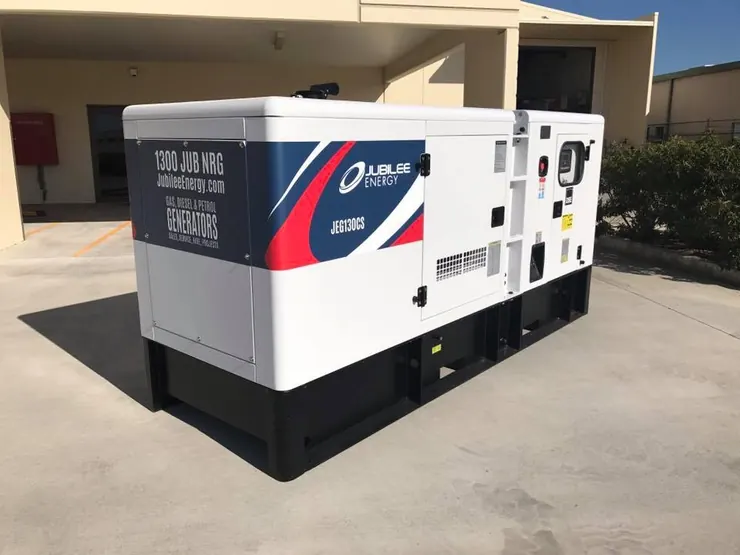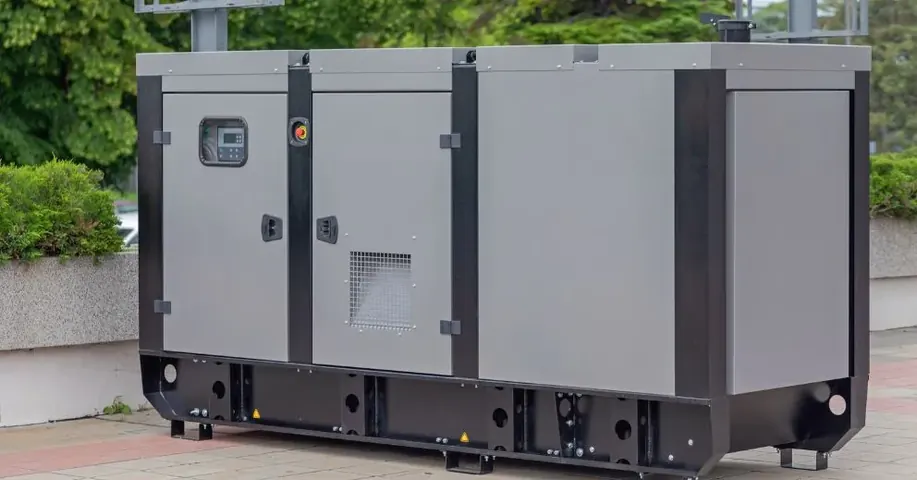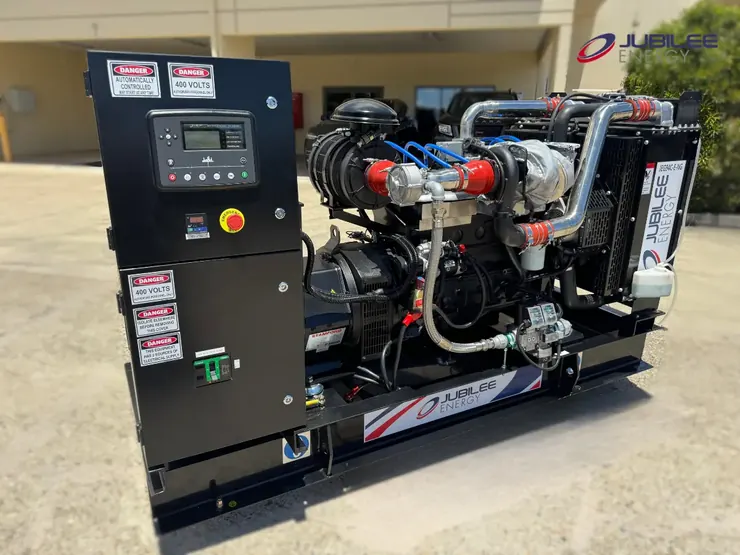
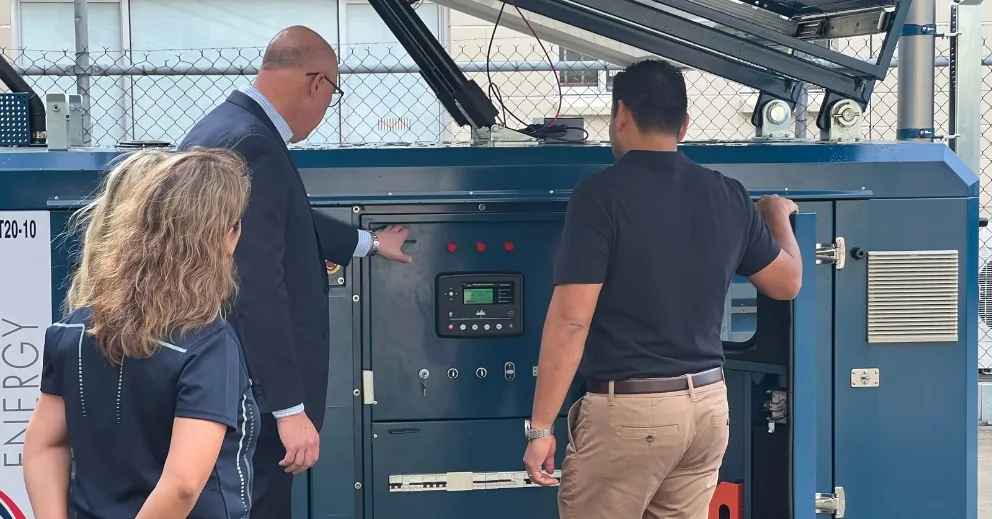
As the world shifts towards cleaner energy solutions, businesses and homeowners are looking for ways to reduce their carbon footprint while maintaining reliable power. Gas generators have emerged as a practical option, with modern gas gensets with low carbon emissions offering a clear advantage over traditional diesel generators.
By supporting efficient electricity generation and lowering overall carbon emission levels, gas-based systems are playing a growing role in more sustainable power strategies.
Gas generator sets powered by natural gas generators provide lower greenhouse gas emissions compared to diesel engines, making them an increasingly attractive option for organisations focused on reducing environmental impact without compromising performance.
In this guide, we’ll break down the environmental benefits of gas generators and how they contribute to a more sustainable energy future.
The Impact of Carbon Emissions
Carbon emissions are one of the biggest contributors to climate change, with carbon dioxide emissions and other greenhouse gas emissions significantly increasing global temperatures. Burning fossil fuels such as diesel fuel and petrol for electricity generation releases high levels of pollutants into the atmosphere, increasing overall carbon intensity across many industries.
Traditional diesel generators rely on diesel engines that produce higher carbon emission outputs and particulate matter. By comparison, gas engines operating on gaseous fuels help reduce these impacts by delivering cleaner, more efficient power generation.
How Gas Generators Lower Carbon Emissions
Cleaner Burning Fuel
Gas generators commonly run on natural gas, liquefied petroleum gas (LPG), or compressed natural gas, all of which burn more cleanly than diesel fuel. Natural gas production and combustion generate significantly fewer carbon dioxide emissions than coal or diesel-based systems, helping reduce overall carbon intensity across power applications.
Natural gas engines convert fuel more efficiently, which directly lowers emissions during electricity generation while maintaining reliable output.
Reduced Particulate Matter and NOx Emissions
Compared to traditional diesel generators, gas engines produce substantially lower particulate matter and nitrogen oxide emissions. Diesel engines are a major contributor to urban air pollution, while gas generator sets provide a cleaner alternative that improves local air quality and reduces health risks.
Greater Fuel Efficiency
Gas generators achieve higher fuel efficiency by burning gaseous fuels more completely than diesel-based systems. This improved efficiency reduces waste, lowers fuel consumption, and helps businesses decrease greenhouse gas emissions without sacrificing performance.
Compatibility with Renewable Energy Sources
Gas generators integrate seamlessly with renewable diesel natural gas plants and hybrid systems that combine solar or wind power. When renewable sources are unavailable, natural gas generators provide stable backup electricity generation while keeping emissions significantly lower than traditional diesel generators.
Lower Methane Leakage Compared to Other Fossil Fuels
Advances in natural gas production, monitoring systems, and gas engine technology have reduced methane leakage and improved overall emissions performance. Emerging solutions such as carbon capture and fuel cell technologies are further enhancing the environmental profile of modern gas-based power systems, supporting long-term emission reduction goals.
Why Gas Generators Are a Smarter Choice for Businesses and Homes
Switching from traditional diesel generators to gas generator sets delivers environmental and operational advantages:
- Lower greenhouse gas emissions and reduced carbon intensity
- Improved efficiency compared to diesel engines
- Compatibility with fuel cell systems and future low-emission technologies
- Reliable electricity generation using cleaner gaseous fuels
- Reduced reliance on diesel fuel and associated storage risks
How to Make the Most of a Gas Generator
To maximise the environmental and cost-saving benefits of a gas generator, consider these best practices:
- Choose the Right Size Generator: An oversized generator wastes fuel, while an undersized one may not meet your power needs.
- Maintain Regular Servicing: Keeping your generator well-maintained ensures it operates efficiently and with lower emissions.
- Consider Hybrid Systems: Pairing a gas generator with renewable energy sources further reduces carbon emissions.
- Use High-Quality Fuel: Clean-burning natural gas or LPG improves efficiency and lowers pollutant output.
Related reading
Switch to a Cleaner Power Solution with Jubilee Energy
Reducing your carbon footprint doesn’t mean sacrificing reliable power. Gas generators provide a cleaner, cost-effective way to keep your home or business powered while lowering emissions.
Looking to make the switch? Jubilee Energy offers high-quality gas generators, expert advice, and professional installation to help you find the perfect power solution.
Contact Jubilee Energy today to explore your options and take a step towards cleaner, more efficient energy.
More insights from us
Discover the latest in power generation technology.