Power outages are a fact of life in many parts of Australia. Storms, bushfires, grid issues, or planned maintenance can all leave homes and businesses without electricity when they need it most. That is why more Australians are looking into backup power solutions.
Two of the most common options are portable generators and standby generators. While they both provide backup power, they work very differently and suit different needs. Understanding the difference can help you choose the right generator for your situation, budget, and lifestyle.
Summary: Portable generators are smaller, more affordable, and can be moved where needed. They are best for short-term power needs, occasional outages, or temporary use. Standby generators are permanently installed, turn on automatically during a blackout, and can power most or all of your home or business. They cost more upfront but offer convenience, reliability, and peace of mind for long-term backup power.
What Is a Portable Generator?
A portable generator is a compact, movable power unit that you can use when and where you need it. These generators usually run on petrol, diesel, or LPG and are commonly used during short power outages or for outdoor activities.
Key features of portable generators
- Can be moved and stored easily
- Typically lower upfront cost
- Manual setup and start-up required
- Limited power output compared to standby units
- Best for running essential appliances only
Portable generators are often used to power items like fridges, lights, small heaters, power tools, or camping equipment.
When a portable generator makes sense
A portable generator may be the right choice if you:
- Experience infrequent or short power outages
- Need backup power for a few essential appliances
- Want a flexible solution for home, work, or outdoor use
- Are working with a smaller budget
- Need power on worksites, farms, or remote locations
For many households, a portable generator is a practical and cost-effective way to stay prepared without committing to a permanent system.
What Is a Standby Generator?
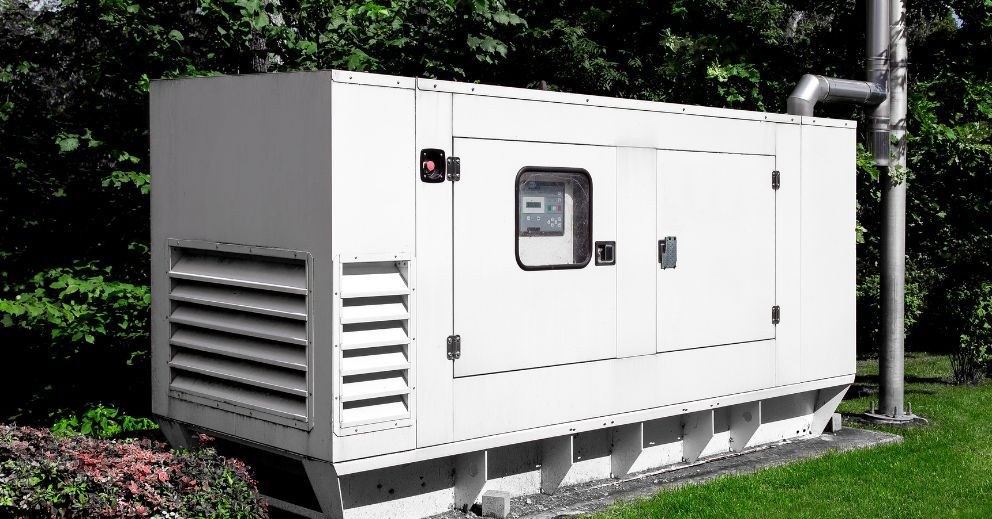
A standby generator is a permanently installed backup power system connected directly to your home or business electrical supply. These generators are designed to turn on automatically when the mains power goes out.
They usually run on natural gas or LPG and are installed outside the building, much like an air conditioning unit.
Key features of standby generators
- Permanently installed and wired into your electrical system
- Automatically switches on during a power outage
- Higher power output for whole-home or whole-building coverage
- Can run for long periods without refuelling
- Higher upfront cost but greater convenience
Standby generators are designed for reliability and minimal effort from the user.
When a standby generator is the better option
A standby generator may suit you if you:
- Experience frequent or long-lasting power outages
- Want uninterrupted power without manual setup
- Need to run multiple appliances or critical systems
- Work from home or operate a business that relies on electricity
- Want a long-term, hands-off backup power solution
For families, medical needs, or businesses, standby generators provide peace of mind when power reliability is essential.
Portable vs Standby Generators: Key Differences Explained
Installation and setup
Portable generators require no permanent installation. You set them up when needed, plug in appliances or connect via a transfer switch, and start them manually.
Standby generators are professionally installed and connected to your electrical system. Once installed, they work automatically without any action from you.
Power capacity
Portable generators are designed to power a limited number of appliances at one time. You may need to prioritise what stays on during an outage.
Standby generators can power most or all of your home or business, including air conditioning, hot water systems, and larger equipment.
Ease of use
Portable generators require manual starting, refuelling, and monitoring.
Standby generators start on their own, switch power seamlessly, and can run for extended periods with minimal attention.
Cost considerations
Portable generators have a lower upfront cost, making them more accessible for many households.
Standby generators involve higher upfront costs due to equipment and installation, but they offer long-term convenience and reliability.
Which Generator Is Right for You?
Choosing between a portable and standby generator comes down to how you plan to use it and what level of backup power you need.
Ask yourself:
- How often do power outages occur in your area?
- How long do outages usually last?
- Do you need to power essential appliances or your entire home or business?
- Are you comfortable with manual setup and operation?
- Is this a short-term solution or a long-term investment?
There is no one-size-fits-all answer. The right generator is the one that matches your lifestyle, risk level, and power needs.
Safety and Compliance Matters
Generators must be used correctly to avoid serious safety risks. Portable generators should always be operated outdoors, away from windows and doors, to prevent carbon monoxide exposure.
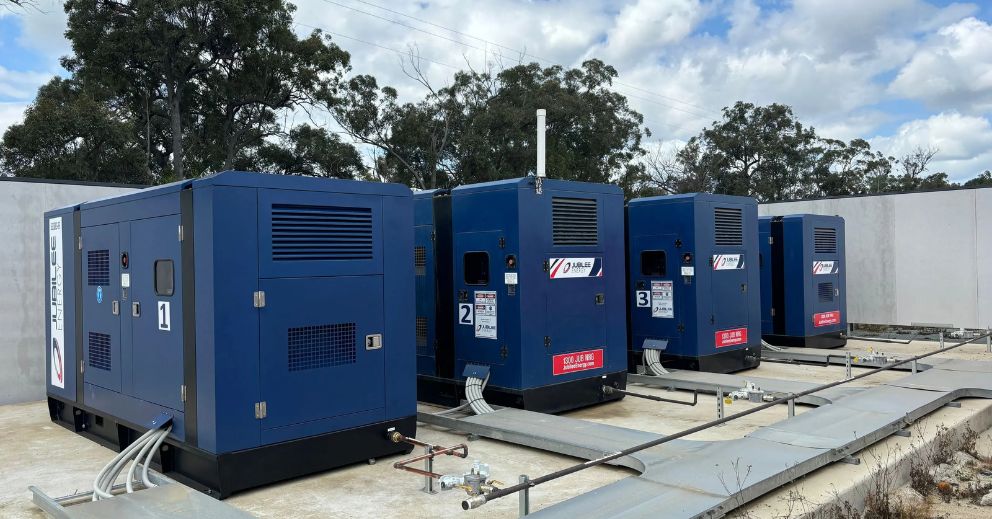
Standby generators must be installed by qualified professionals to meet Australian safety standards and electrical regulations. Proper installation ensures safe operation and reliable performance during outages.
Why Professional Advice Makes a Difference
Choosing a generator is not just about size or price. It is about understanding load requirements, fuel options, installation needs, and future use.
Working with an experienced energy provider like Jubilee Energy helps ensure you choose a solution that is safe, compliant, and tailored to your needs.
Making the Right Choice for Your Power Needs
Both portable and standby generators play an important role in keeping homes and businesses powered during outages. The key is choosing the option that fits your needs, not just your budget.
Portable generators offer flexibility and affordability. Standby generators deliver convenience, reliability, and long-term peace of mind.
If you are unsure which option is right for you, expert advice can save you time, money, and stress.
Key Takeaways
- Portable generators are flexible, affordable, and suited to short-term or occasional use
- Standby generators are permanent, automatic, and ideal for frequent or long outages
- Power needs, budget, and convenience should guide your decision
- Professional advice ensures safety, compliance, and the right system size
FAQ
Can a portable generator power my whole house?
In most cases, no. Portable generators are designed for limited loads. Some larger models can power more appliances, but they usually cannot run an entire home at once.
Do standby generators work during long outages?
Yes. As long as there is a fuel supply, standby generators can run for extended periods and are ideal for long or frequent outages.
Are standby generators noisy?
Modern standby generators are designed to operate quietly. They are generally much quieter than older portable models.
Do I need council approval for a standby generator?
Requirements can vary depending on location and installation details. A professional installer can guide you through approvals and compliance.
More insights from us
Discover the latest in power generation technology.